
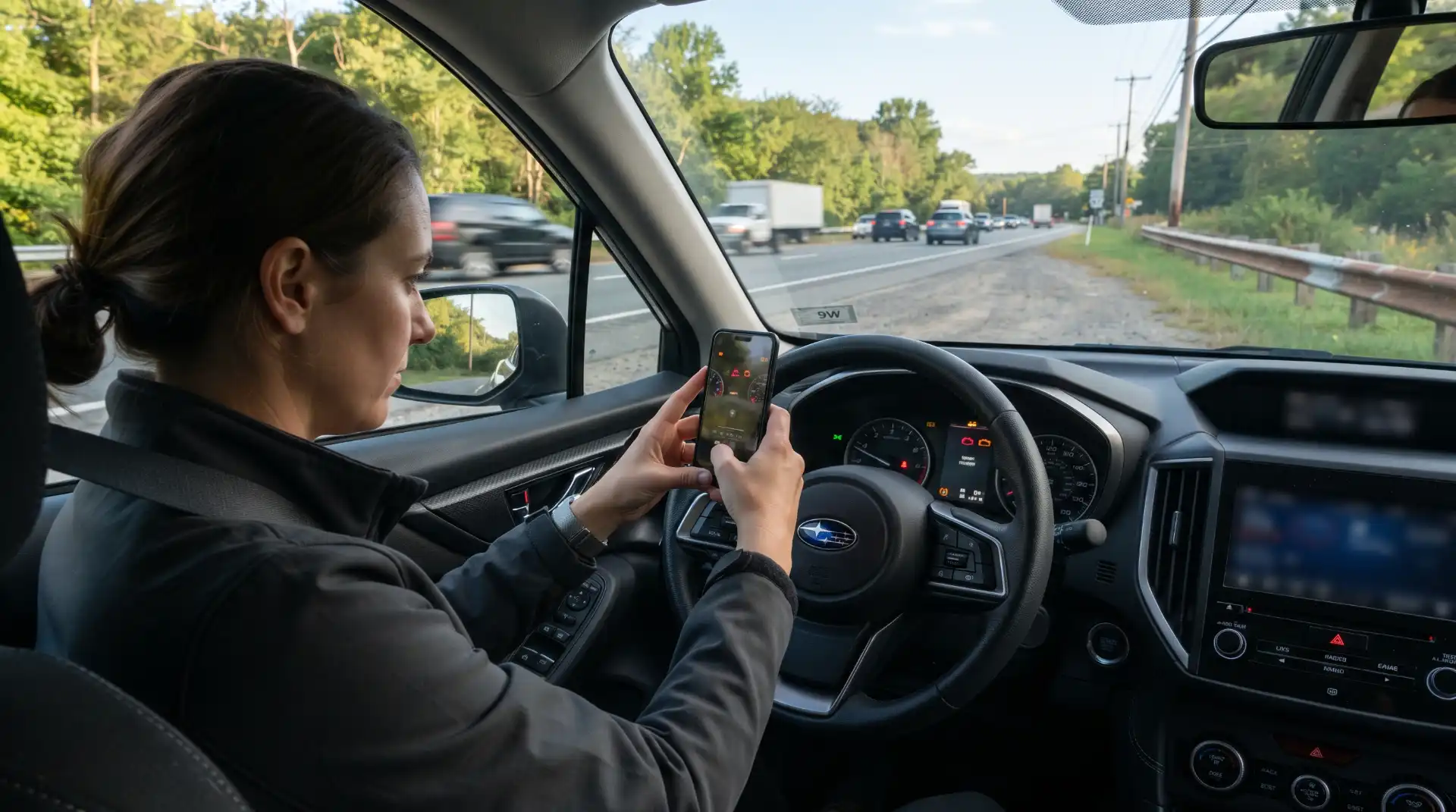
Vehicle software failures may contribute to head-on accidents when they affect steering, braking, acceleration, driver warnings, or safety assistance systems. Determining whether software played a role requires more than observing unusual vehicle behavior. Investigators may need diagnostic records, event data, software versions, recall information, maintenance records, and evidence from the crash scene.
Modern vehicles depend on millions of lines of computer code. Software controls or supports many functions that once relied mainly on mechanical components. These functions may include electronic steering, braking, throttle response, lane positioning, stability control, battery management, dashboard warnings, and advanced driver assistance systems.
Most vehicle software operates without causing a crash. However, programming defects, faulty updates, sensor communication problems, cybersecurity vulnerabilities, or system integration errors may affect vehicle behavior. A malfunction becomes especially dangerous on a two-lane road where a small steering or braking error could move a vehicle into opposing traffic.
Software evidence may therefore become relevant when investigating why a vehicle crossed the centerline and caused a head-on collision.
The Growing Role of Software in Modern Vehicles
A modern vehicle is more than a mechanical machine. It is also a network of electronic control units that exchange information through internal communication systems. Each unit may control a particular function, such as braking, steering, engine performance, airbags, or driver assistance.
Software interprets information from cameras, radar, wheel-speed sensors, steering sensors, and other components. Based on that information, the vehicle may display a warning or automatically intervene.
For example, a lane departure warning system may alert a driver when the vehicle drifts toward a centerline. Lane keeping assistance may apply gentle steering input. Electronic stability control may reduce engine power or brake individual wheels when the vehicle begins losing traction. Automatic emergency braking may respond when the system detects an imminent collision.
The National Highway Traffic Safety Administration’s driver assistance technology guide explains that some systems only warn drivers, while others may take action. The exact capabilities and limitations vary among vehicles.
These technologies may improve safety when they work as intended. Problems may arise when software receives incorrect information, processes it improperly, or sends an unsuitable command to another vehicle system.
How Software Failures May Contribute to Head-On Collisions
Head-on crashes often occur after a vehicle leaves its lane and enters opposing traffic. Common reasons include impairment, distraction, fatigue, excessive speed, poor visibility, and unsafe passing. A software problem represents another possible factor, although it generally requires technical evidence.
Several types of software failures could contribute to centerline departure.
Incorrect Steering Commands
Some vehicles use electronic power steering or steering assistance controlled partly by software. A malfunction may affect steering effort, cause unexpected input, or prevent a safety feature from responding correctly.
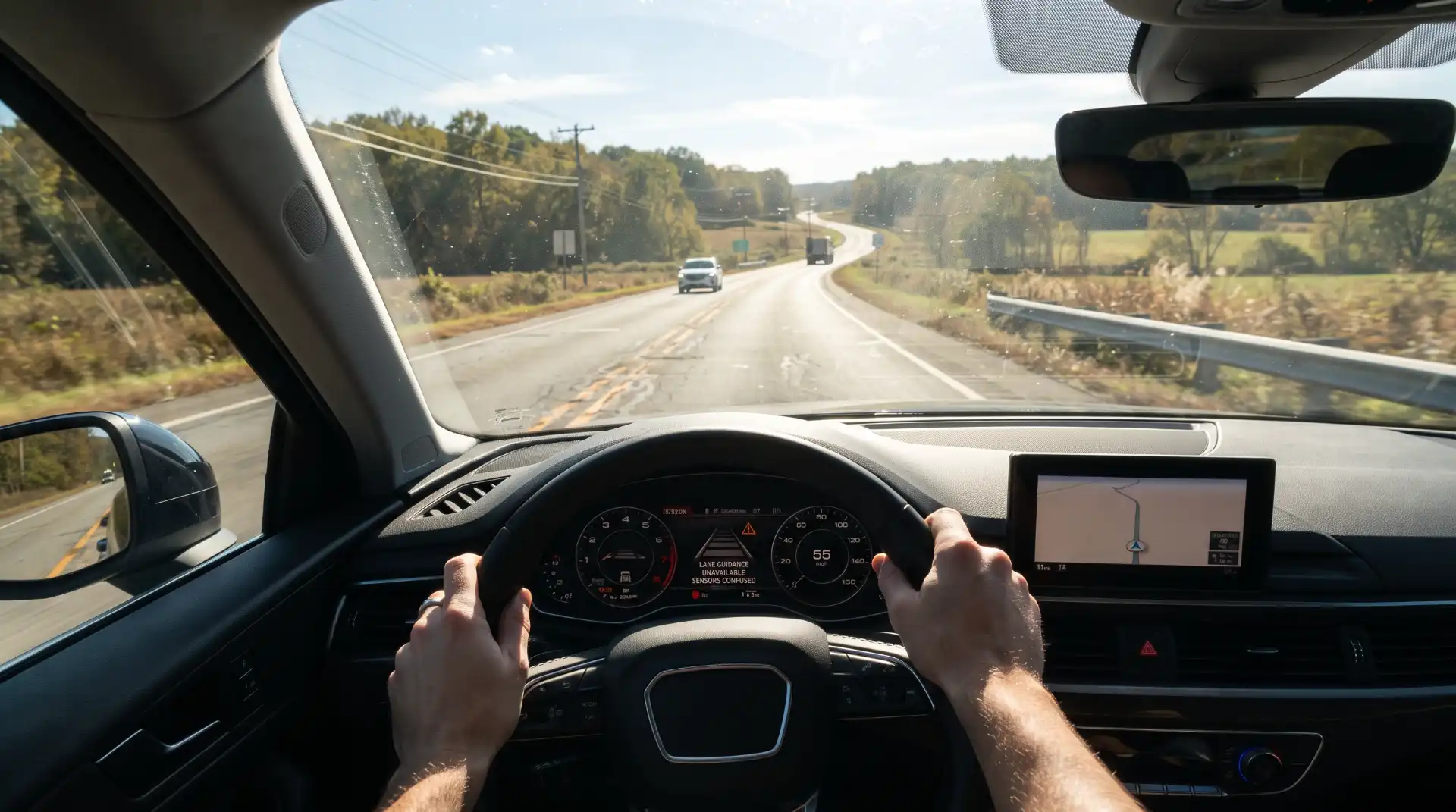
Lane centering and lane keeping systems also rely on software. If a system incorrectly identifies road markings, it may apply steering input at the wrong time. It might also fail to intervene when the vehicle drifts toward opposing traffic.
A driver may still have responsibility for maintaining control, particularly when using a Level 2 assistance system. However, evidence that an unexpected steering command contributed to the lane departure could change the liability analysis.
Failure to Recognize Lane Markings
Lane assistance systems generally use forward-facing cameras to identify painted road lines. The software must interpret camera images and determine the vehicle’s position.
Faded markings, construction zones, glare, rain, snow, shadows, sharp curves, or debris may reduce system performance. A software defect may also cause the system to misread clear markings.
Misidentifying the centerline can become particularly dangerous on an undivided highway. A system might guide the vehicle toward the wrong part of the road or fail to warn the driver before the vehicle crosses into an opposing lane.
Drivers should understand that assistance features have operating limitations. NHTSA notes that safety technologies vary by manufacturer and advises motorists to review their owner’s manuals.
Braking System Malfunctions
Electronic braking systems depend on software to coordinate several components. These may include anti-lock brakes, traction control, stability control, regenerative braking, and automatic emergency braking.
A software problem might delay braking, reduce braking force, or produce an unexpected response. If a driver cannot slow before a curve, obstruction, or traffic queue, the driver may steer into another lane while trying to avoid a collision.
In other cases, unexpected braking could destabilize the vehicle. A sudden change in wheel speed or traction may cause a driver to lose control, especially on a wet or icy road.
A brake-related software failure does not automatically establish that the manufacturer caused an accident. Investigators may need to distinguish it from worn components, poor maintenance, driver input, road conditions, and post-collision damage.
Unexpected Acceleration or Loss of Power
Software also influences throttle response, engine management, transmission operation, and electric motor output. A malfunction could cause hesitation, unexpected acceleration, or loss of power.
Unexpected acceleration might push a vehicle through a curve or intersection. A sudden loss of power could leave a vehicle unable to complete a passing maneuver before oncoming traffic arrives. Both situations may create a head-on crash risk.
Investigators commonly consider the driver’s pedal inputs, the vehicle’s electronic records, mechanical condition, and software status. Statements from the driver alone may not explain whether the event involved software, a mechanical defect, pedal error, or another cause.
Faulty Warnings and Dashboard Information
Drivers rely on dashboards for speed, system status, gear selection, braking alerts, and fault warnings. Software errors may prevent important information from appearing or display inaccurate information.
A driver who does not receive a steering or braking fault warning may continue operating a vehicle without knowing that a safety-related system has become impaired. Incorrect speed information could also affect the driver’s decisions on curves or while approaching other traffic.
Warning failures may not directly steer a vehicle across the centerline. However, they may prevent a driver from recognizing and responding to a developing hazard.
Problems Following Software Updates
Manufacturers increasingly use over-the-air updates to install new software without requiring a dealership visit. These updates may correct safety defects, adjust features, or modify vehicle performance.
A faulty update might introduce a new error, fail to install completely, or create compatibility problems between electronic modules. An owner might also postpone an update that contains an important safety correction.
An update does not automatically mean a vehicle has become unsafe. The central questions are what the update changed, whether it installed correctly, and whether the affected system contributed to the crash.
NHTSA has addressed recalls that use over-the-air software remedies. Its vehicle recall search tool allows owners to check a vehicle identification number for unrepaired safety recalls.
Software Failure Is Different From Driver Misuse
A vehicle may operate exactly as designed while the driver misunderstands or misuses its technology. This distinction matters after a head-on accident.
Many advanced driver assistance features do not make a vehicle self-driving. The driver may still need to watch the road, keep both hands available, supervise the system, and intervene when conditions exceed its capabilities.
A driver might rely too heavily on lane centering, ignore repeated warnings, or use a system on a road where the manufacturer does not intend it to operate. In that situation, driver conduct may remain a major cause of the collision.
The opposite may also occur. A driver may respond appropriately, but defective software could provide no warning or apply an unexpected command. Liability then may extend beyond the driver.
Some crashes involve both issues. The driver may have been inattentive while a defective system also failed to respond correctly. State comparative fault rules may divide responsibility among multiple parties.
Readers can find broader information about driver behavior, road conditions, and other contributing factors in our guide to common head-on collision causes and prevention.
Evidence That May Reveal a Software Problem
Software-related accident investigations can be more technical than ordinary collision reviews. Physical evidence remains important, but investigators may also examine electronic information.
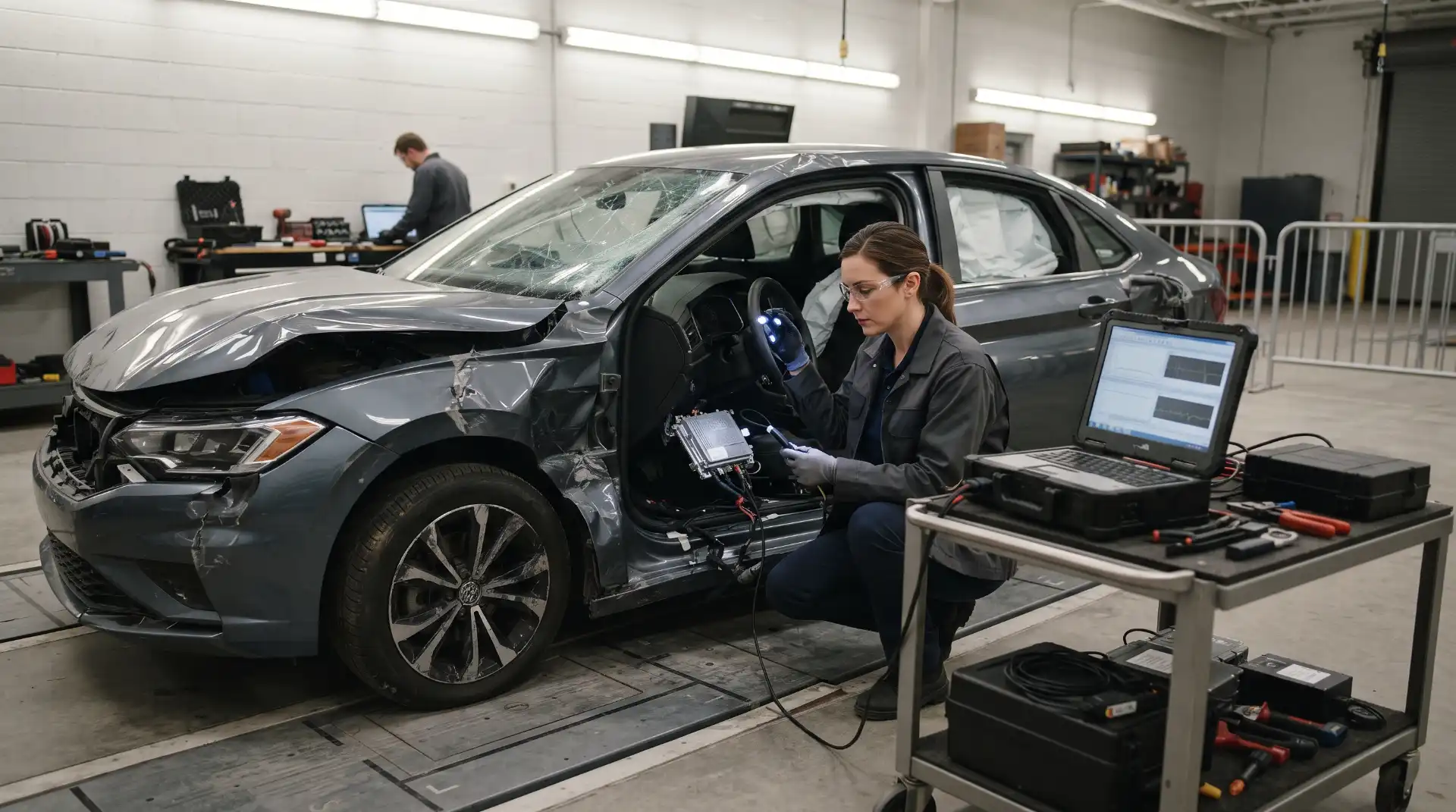
The vehicle’s event data recorder may contain speed, braking, throttle, seat belt, and other information from the seconds surrounding a crash. Advanced systems may store additional diagnostic records, error codes, camera information, or driver assistance status.
Important evidence may include:
- The vehicle identification number and build information
- The installed software and firmware versions
- Records of over-the-air and dealership updates
- Diagnostic trouble codes
- Event data recorder information
- Driver assistance logs
- Recall notices and manufacturer communications
- Maintenance and repair records
- Photographs or video of dashboard warnings
- Dashcam footage and nearby surveillance recordings
- Physical evidence from the steering, braking, and sensor systems
This evidence may disappear or change. A vehicle could be repaired, salvaged, sold, or remotely updated after the crash. Diagnostic codes may also be cleared during ordinary service.
Preserving the vehicle in its post-crash condition may allow qualified professionals to inspect it before significant changes occur. A written preservation notice may also request that relevant parties retain electronic records, vehicle components, and technical data.
The Importance of Recalls and Safety Investigations
A recall can provide useful context, but it does not resolve every liability question. An open recall may show that a manufacturer identified a safety defect affecting a particular vehicle population. Investigators still need to determine whether the subject vehicle contained the defect and whether it contributed to the collision.
The absence of a recall does not prove that no defect existed. Manufacturers and regulators may learn about problems gradually through consumer complaints, warranty claims, field reports, crash data, and engineering analysis.
NHTSA’s Office of Defects Investigation reviews complaints and other data to identify possible defect trends. Drivers may use the agency’s safety issue search to review recalls and defect investigations.
A safety investigation could matter when multiple drivers report similar steering, braking, acceleration, or driver assistance problems. Technical service bulletins and manufacturer communications may also reveal that a company knew about a recurring issue, even when no recall existed at the time of the crash.
Who May Be Liable for a Software-Related Head-On Accident?
Liability depends on the facts, applicable state law, and the relationship between the alleged defect and the collision. More than one party may share responsibility.
The Driver
Drivers generally remain responsible for controlling their vehicles and responding to roadway conditions. A driver may bear fault for distraction, impairment, speeding, unsafe passing, fatigue, or failing to supervise an assistance system.
Even when software malfunctions, investigators may examine whether the driver noticed warnings, ignored recall notices, modified the vehicle, or had enough time to intervene.
The Vehicle Manufacturer
A manufacturer may face a product liability claim when a vehicle contains a design, manufacturing, or warning defect that contributes to a crash. A software design defect might involve unsafe programming logic, inadequate testing, or a failure to account for foreseeable road conditions.
A manufacturing defect could involve corrupted software or an incorrect version installed in a particular vehicle. A warning claim may focus on whether the manufacturer adequately explained system limits or known safety risks.
Product liability standards differ among states. Some claims require proof of negligence, while others may proceed under strict liability principles.
The Software Developer or Technology Supplier
Automakers often obtain cameras, sensors, electronic modules, and software from outside suppliers. A supplier may share responsibility when its component or code contains the relevant defect.
Identifying the responsible company may require examining contracts, component records, software architecture, and technical documentation. Consumers may not know which company developed a particular function.
A Dealership or Repair Facility
A dealership or repair shop might face liability if technicians incorrectly installed an update, failed to complete a required recall repair, damaged a sensor, or improperly calibrated a safety system.
Calibration matters after windshield replacement, suspension work, collision repair, wheel alignment, or sensor replacement. A camera or radar unit may provide inaccurate information if it is positioned incorrectly.
A Commercial Vehicle Owner
When a company owns the vehicle, maintenance and update practices may become relevant. A business could face questions about whether it monitored recalls, installed safety updates, trained drivers, and responded to reported malfunctions.
The same crash may involve driver negligence, negligent maintenance, and a defective product claim. Our article about proving liability in a head-on car accident case explains other forms of evidence used when evaluating fault.
Challenges in Proving Software Causation
Software may be difficult to examine because the code is proprietary. A manufacturer may control access to technical records, system logs, and testing information. Data formats may also differ between vehicle brands and models.
Crash damage creates another challenge. The collision may destroy electronic modules or sensors. Investigators then need to determine whether a damaged component caused the crash or merely sustained damage during impact.
The timing of a malfunction also matters. A stored error code could predate the crash without contributing to it. Likewise, a code recorded after impact might reflect collision damage rather than a pre-crash defect.
Experts may need to reconstruct the accident and compare physical evidence with electronic records. Relevant fields may include accident reconstruction, automotive engineering, human factors, software engineering, and electronic data analysis.
A plausible software theory is not enough by itself. The evidence needs to connect the malfunction to the sequence that placed a vehicle in opposing traffic.
Cybersecurity and Unauthorized Vehicle Access
Connected vehicles may communicate with mobile applications, manufacturer servers, charging networks, and other digital services. This connectivity creates potential cybersecurity concerns.
Unauthorized access could theoretically affect vehicle systems or compromise data. However, allegations of hacking require strong technical support. An unusual vehicle movement does not prove that a cyberattack occurred.
Investigators may examine access logs, network records, software integrity, authentication events, and known vulnerabilities. The U.S. Department of Transportation’s vehicle cybersecurity guidance discusses risk-based cybersecurity practices across a vehicle’s lifecycle.
Cybersecurity evidence should be preserved carefully. Resetting the vehicle, deleting a mobile application, or changing system settings could affect relevant records.
What Drivers Can Do When a Vehicle Behaves Unexpectedly
Drivers who notice steering, braking, acceleration, or driver assistance problems should treat the issue seriously. Continuing to operate the vehicle may expose occupants and other road users to danger.
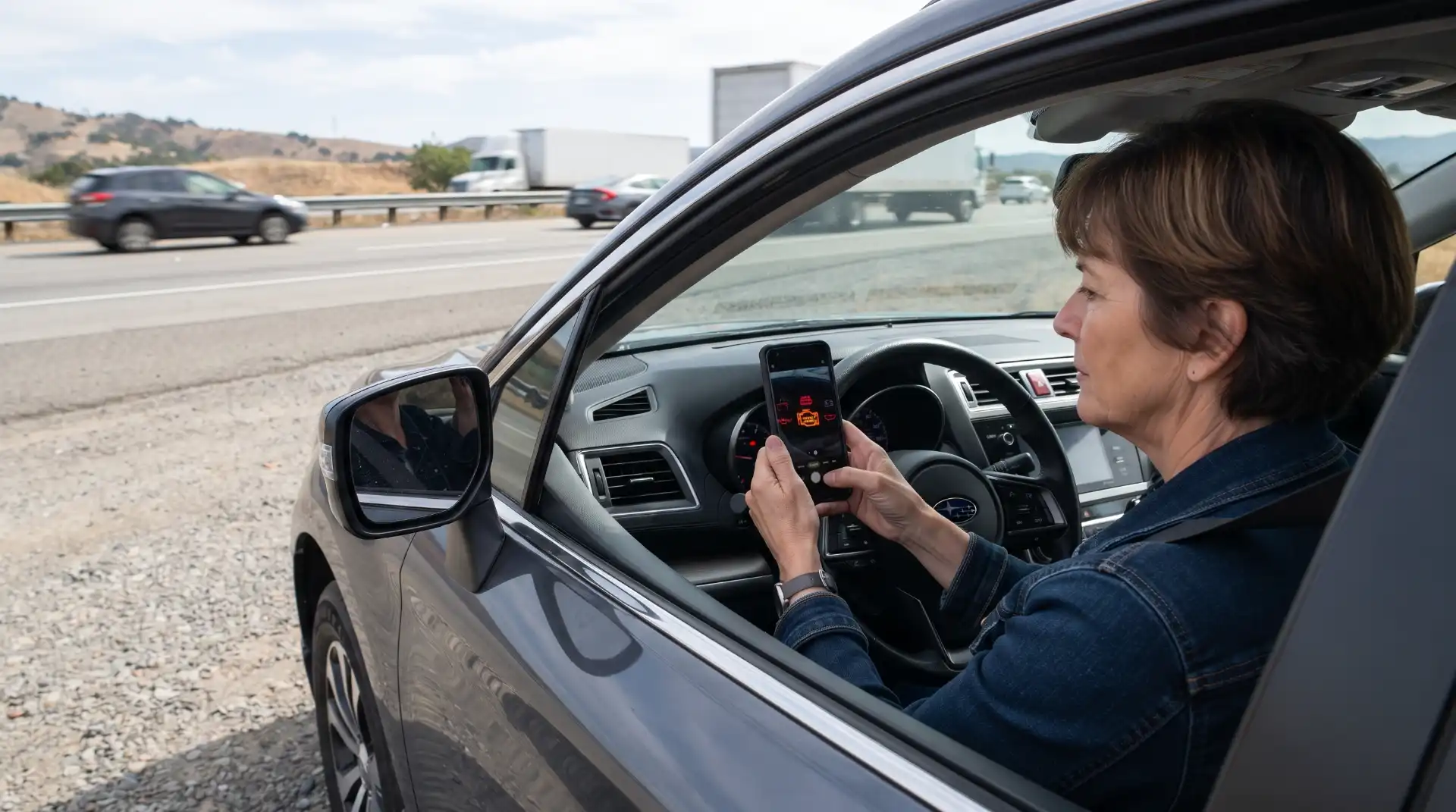
When conditions permit, the driver can move away from traffic, stop in a safe location, and record any dashboard warnings. Photographs or video may document messages that disappear after the vehicle restarts.
The owner can note the date, time, speed, road conditions, system settings, and actions taken before the problem occurred. A dealership or qualified repair facility may then inspect the vehicle.
Owners can also check for open recalls using NHTSA’s VIN lookup tool. If the issue may represent a safety defect, a consumer may submit a complaint to NHTSA. These reports help regulators identify patterns across similar vehicles.
Software updates should come from the manufacturer or another authorized source. Modifying safety-critical software through unverified tools may affect vehicle performance, warranty coverage, and available evidence.
Steps After a Suspected Software-Related Head-On Crash
Safety and medical needs come first after a collision. Anyone who can do so safely may contact emergency services and remain away from moving traffic.
Photos may document vehicle positions, lane markings, skid marks, road conditions, dashboard displays, and visible damage. Witness contact information may also become important.
A vehicle involved in the crash should not undergo unnecessary repair, disposal, or software changes before relevant evidence is considered. Insurers, repair facilities, salvage companies, and manufacturers may otherwise alter or remove components.
Drivers may request copies of the police report, medical records, towing records, repair history, recall notices, and manufacturer communications. They may also save emails and mobile application notifications involving software updates.
Our overview of the legal process after a head-on car accident provides additional information about evidence, insurance claims, and legal review.
Can a Software Update Correct the Problem After a Crash?
A later software update might correct a defect that existed when the crash occurred. However, the update does not independently prove that the earlier software caused the collision.
Investigators may compare release notes, recall documents, technical bulletins, and software versions. They may ask when the manufacturer identified the issue and whether the correction addressed the same behavior reported before the accident.
The timing could become significant. A manufacturer might have issued an update before the crash, but the vehicle had not received it. Questions may then arise about notice, update delivery, owner response, and whether the remedy was reasonably accessible.
If the manufacturer issued the update after the accident, technical documents may still help explain the earlier system behavior. The legal use of subsequent corrective measures varies, so case-specific review may be necessary.
Vehicle Software and the Future of Head-On Accident Claims
Software is becoming more important in crash investigations as vehicles add connected functions, automated assistance, and electronic controls. Traditional evidence such as tire marks, impact points, witness accounts, and roadway design remains valuable. Electronic records may add another layer to the analysis.
Future disputes may involve system limitations, driver monitoring, update history, data ownership, cybersecurity, and access to proprietary code. Courts and regulators may also address new questions as automated technology performs more parts of the driving task.
NHTSA requires identified manufacturers and operators to report certain crashes involving automated driving systems and Level 2 driver assistance technologies. Information about this reporting framework appears in the agency’s automated vehicle resources.
These developments do not mean that every unexplained head-on collision involves faulty software. They do mean that electronic evidence should not be overlooked when a vehicle behaves unexpectedly.
Final Thoughts
Vehicle software failures may contribute to head-on accidents when they interfere with steering, braking, acceleration, lane detection, or driver warnings. Establishing that connection requires a careful review of the vehicle, its software history, available electronic data, physical evidence, and driver actions.
Responsibility may involve the driver, vehicle manufacturer, software supplier, repair facility, commercial owner, or several parties. The result depends on what failed, why it failed, and whether that failure helped place the vehicle in opposing traffic.
Because electronic evidence may change during repairs or software updates, preserving the vehicle and related records can be central to a meaningful investigation.