Introduction
Every year, vehicle manufacturers around the world unveil cutting-edge technologies designed to make driving safer. In 2025, many of these technologies focus on preventing one of the most dangerous types of accidents: head-on collisions. These accidents can have catastrophic consequences, but with advancements in automotive safety features, drivers and passengers are better protected than ever.
Head-on collisions account for a significant portion of fatal crashes, often resulting from distractions, driver fatigue, and sudden lane changes. Thankfully, many automakers are incorporating new technologies into their vehicles that reduce the likelihood of these incidents. Whether you’re looking to purchase a new car or simply curious about the future of automotive safety, understanding the top features to look for is essential. In this article, we’ll explore the five best safety features available in 2025 vehicles that aim to prevent head-on collisions.
1. Advanced Automatic Emergency Braking (AEB)
What is AEB?
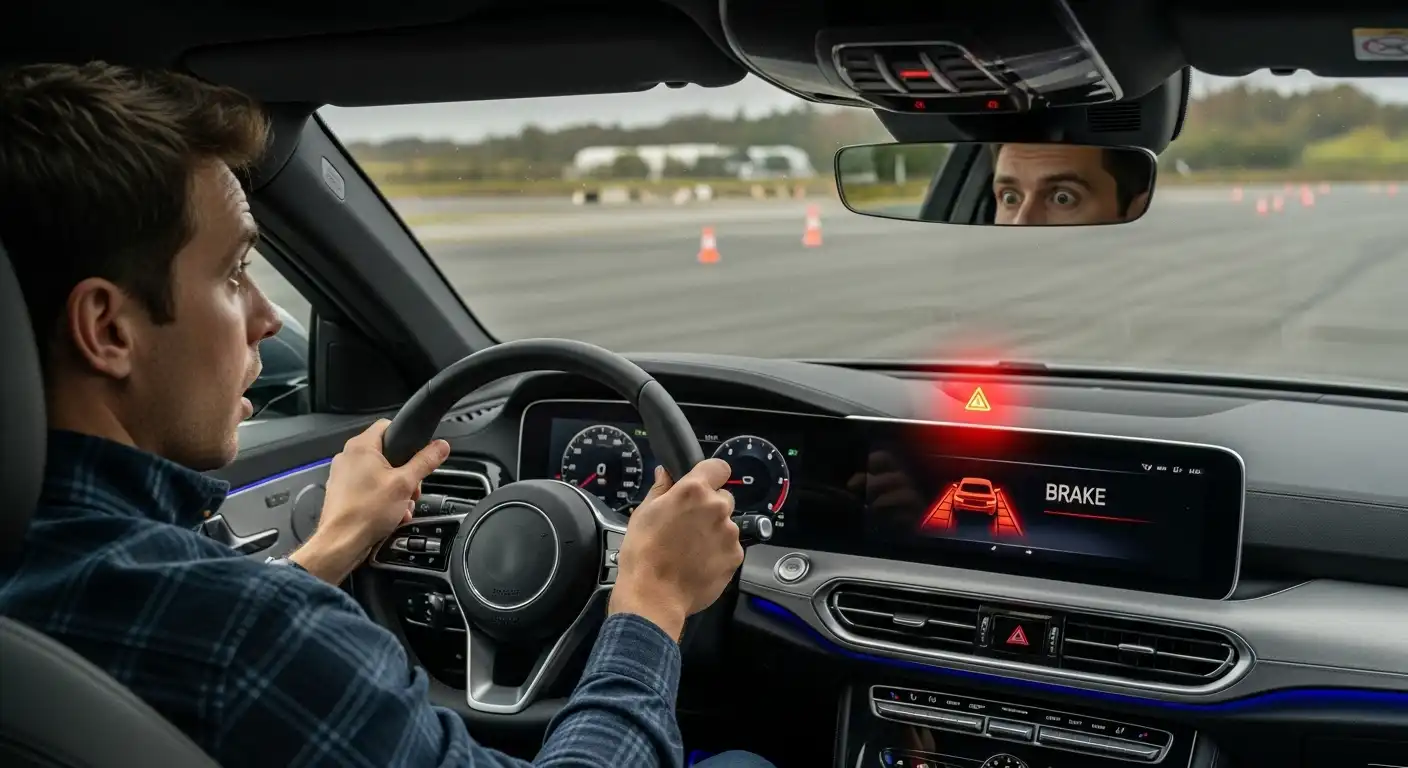
Automatic Emergency Braking (AEB) systems have become a standard feature in modern vehicles, and in 2025, they’re even more advanced. AEB systems use a combination of radar, cameras, and sensors to detect objects in the vehicle’s path. If a potential collision is imminent and the driver doesn’t respond in time, the system will automatically apply the brakes to prevent or mitigate the impact.
How It Helps Prevent Head-On Collisions
Head-on collisions are often caused by drivers failing to react in time when they’re approaching another vehicle or obstacle. Advanced AEB systems in 2025 are not only designed to detect vehicles but also pedestrians, cyclists, and other road hazards. With the integration of AI-driven sensors, the system has a faster response time and greater accuracy, even in complex traffic situations. Some vehicles even offer “cross-traffic” AEB, which helps detect moving objects from the side, reducing the risk of a collision while making turns or navigating intersections.
Real-World Example
The 2025 Volvo XC90 offers an enhanced AEB system that uses forward-looking radar to identify potential head-on collision scenarios, and it can apply the brakes at up to 60 mph to reduce impact severity. This cutting-edge feature has been proven to save lives and minimize the chances of injury in head-on collisions.
2. Predictive Forward Collision Warning (FCW)
What is Predictive FCW?
Predictive Forward Collision Warning is an advanced version of the traditional forward collision warning system. While conventional systems merely alert the driver of an impending collision, predictive FCW uses AI to analyze the behavior of surrounding traffic. By considering factors like speed, vehicle trajectory, and road conditions, the system can predict if a crash is likely to occur.
How It Helps Prevent Head-On Collisions
This system is designed to give drivers a heads-up well in advance, often before they even realize a collision is imminent. If the system predicts that a head-on crash is possible, it will issue an early warning and activate emergency braking or evasive maneuvers, depending on the vehicle’s capabilities.
Predictive FCW is particularly effective in scenarios where other vehicles may suddenly veer into your lane or where the driver may be distracted and fail to notice an oncoming threat. With the 2025 systems, the warning times are significantly improved, and in some cases, the system may even react before the driver has a chance to perceive the danger.
Real-World Example
The 2025 Honda Accord offers an upgraded predictive FCW system that can analyze the behavior of the car in front and predict a potential head-on collision. If the system determines a risk, it will automatically activate the AEB system to reduce the severity of the crash or avoid it altogether.
3. Lane Departure Warning with Lane Keeping Assist
What is Lane Departure Warning (LDW)?
Lane Departure Warning is a technology that alerts the driver when their vehicle unintentionally drifts out of its lane without signaling. While this system is useful in a variety of situations, it is particularly important in preventing head-on collisions caused by drivers drifting into oncoming traffic.
How Lane Keeping Assist (LKA) Works
Lane Keeping Assist goes one step further than LDW by not only alerting the driver but also steering the vehicle back into its lane if necessary. If you begin to drift into an adjacent lane and the system detects no steering input from the driver, LKA will gently correct the vehicle’s course.
How It Helps Prevent Head-On Collisions
One of the primary causes of head-on collisions is a driver’s failure to stay within their lane, whether due to distractions or fatigue. LDW with LKA offers an extra layer of protection, ensuring that the vehicle remains in its lane, especially on highways or rural roads. By preventing unintentional lane departures, these systems significantly reduce the likelihood of veering into oncoming traffic.
Real-World Example
The 2025 Toyota Camry features an advanced Lane Departure Warning system with Lane Tracing Assist, which actively helps the driver stay centered in their lane. This system is highly effective in highway driving conditions, where head-on collisions are most likely to occur when vehicles drift into the opposite lane.
4. Adaptive Cruise Control with Stop & Go Capability
What is Adaptive Cruise Control?
Adaptive Cruise Control (ACC) is an advanced version of traditional cruise control. It uses radar and cameras to monitor traffic and adjust the vehicle’s speed to maintain a safe distance from the car ahead. The stop & go feature allows the vehicle to come to a complete stop and then resume cruising without the driver having to restart the system manually.
How It Helps Prevent Head-On Collisions
ACC is designed to help maintain a safe distance between your vehicle and the one in front, which can be critical in preventing rear-end collisions and, indirectly, head-on accidents. In stop-and-go traffic or when the car ahead suddenly slows down, ACC with Stop & Go ensures your vehicle stays at a safe distance, reducing the risk of abrupt braking or swerving into oncoming traffic.
Real-World Example
The 2025 Ford F-150 comes with an Adaptive Cruise Control system that uses sensors to maintain a safe following distance, even in traffic. The system’s Stop & Go function ensures that in slow-moving conditions, the vehicle maintains control and doesn’t inadvertently drift into adjacent lanes.
5. Enhanced Night Vision and Pedestrian Detection
What is Night Vision?
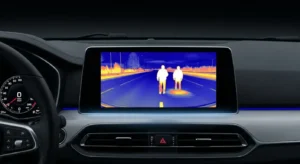
Night Vision systems use infrared sensors to detect heat signatures from pedestrians, animals, and other potential obstacles. This system is especially valuable for drivers who frequently travel at night or in low-visibility conditions, where head-on collisions are more likely to occur.
How Pedestrian Detection Works
Pedestrian Detection is an extension of the night vision system, which can identify pedestrians crossing the road, even in the dark. Once a pedestrian is detected, the system will issue a warning and, in some cases, apply the brakes automatically if the driver fails to react in time.
How It Helps Prevent Head-On Collisions
At night, it can be difficult to see pedestrians or other vehicles in time to avoid a crash. Enhanced night vision combined with pedestrian detection systems ensures that even in the darkest conditions, you’ll have an extra layer of protection. By alerting you to obstacles or pedestrians ahead, these systems reduce the likelihood of head-on collisions caused by poor visibility or sudden obstacles.
Real-World Example
The 2025 BMW 7 Series comes equipped with an advanced Night Vision system that uses infrared cameras to detect animals and pedestrians up to 300 meters ahead. Combined with its Pedestrian Detection system, it alerts the driver to any potential threats, ensuring that no matter the time of day, the vehicle can respond swiftly to avoid a collision.
Conclusion
In 2025, the automotive industry is pushing the boundaries of vehicle safety, particularly when it comes to preventing head-on collisions. With advanced systems like Automatic Emergency Braking, Predictive Forward Collision Warning, Lane Departure Warning with Lane Keeping Assist, Adaptive Cruise Control, and Enhanced Night Vision, drivers can feel safer and more confident behind the wheel.
These safety features are not just add-ons—they’re becoming essential components of modern vehicles, helping to prevent accidents and save lives. When purchasing a new car, make sure these features are on your list to ensure the best protection for you and your passengers.
For more detailed safety ratings and information, visit the IIHS Top Safety Picks for 2025: IIHS 2025 Safety Picks