
Weather and road conditions significantly contribute to the risk of head-on collisions. While drivers are always at risk of accidents on the road, poor weather conditions like rain, snow, fog, or icy roads can dramatically increase the chances of a crash, especially head-on collisions. Head-on accidents are among the most catastrophic types of car crashes, often resulting in severe injuries or fatalities. Understanding how weather and road conditions play a role in increasing the risk of these accidents is essential for both drivers and policymakers. This post will explore these risks in depth and offer practical advice on how to reduce them.
Impact of Weather on Road Safety
 Rain and Slippery Roads
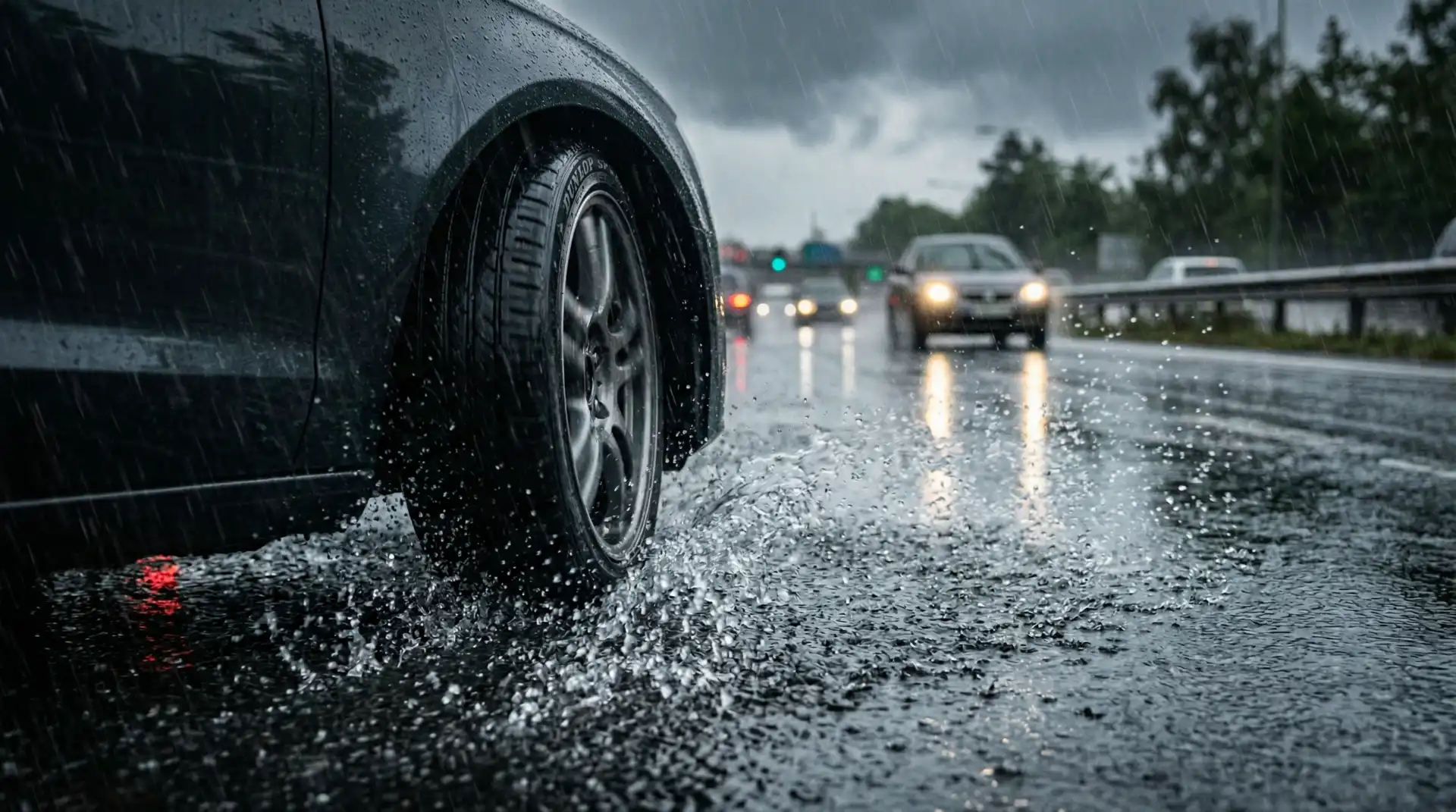
Rain is one of the most common contributors to dangerous driving conditions. Wet roads can significantly reduce tire traction, making vehicles more prone to losing control. When rain is heavy, the risk increases even further as puddles form, leading to hydroplaning. Hydroplaning occurs when the tires lose contact with the road, creating a layer of water between the road surface and the tires. In such conditions, a vehicle can suddenly and unpredictably lose steering control, potentially leading to a head-on crash if the vehicle veers into oncoming traffic. According to the National Highway Traffic Safety Administration (NHTSA), wet roadways contribute to nearly 15% of all crashes annually.
Snow and Ice
Snow and ice introduce additional risks to road safety. During winter months, roads can become slippery, leading to longer stopping distances and reduced traction. Drivers may lose control when taking turns, or their vehicle might slide into another lane, especially on poorly maintained roads. In cases of black ice—where the road appears dry but is actually coated with a thin layer of ice—the risk of head-on collisions increases dramatically. Black ice is difficult to detect and can cause a driver to unexpectedly lose control, particularly when entering a curve or while accelerating.
 Fog and Poor Visibility
Fog is another dangerous weather condition that can lead to head-on crashes. Reduced visibility in fog can prevent drivers from seeing other vehicles or obstacles on the road until it’s too late. Fog can also create an optical illusion, making it difficult to judge distances, the speed of other vehicles, or road signs. The combination of limited visibility and poor judgment often results in drivers veering off course or into oncoming traffic.
Wind Conditions
Strong winds can cause a vehicle to swerve uncontrollably, particularly if the driver is in a high-profile vehicle like an SUV or a truck. Crosswinds, which push vehicles sideways, are particularly dangerous when driving through narrow lanes or over bridges. Sudden gusts of wind can push a vehicle out of its lane, increasing the likelihood of a head-on collision. Drivers in such conditions need to remain vigilant and be prepared for sudden changes in vehicle behavior.
Poor Road Conditions and Head‑On Collisions
Unclear Road Markings
One of the most common contributing factors to head-on collisions, especially in inclement weather, is unclear or absent road markings. Roadway paint, lane dividers, and edge lines are essential for helping drivers stay in their lanes. When these markings are faded or missing—often exacerbated by weather conditions such as rain or snow—drivers are more likely to stray into another lane. In a narrow, two-lane road, this can result in a devastating head-on collision.
Worn-out Roads and Potholes
Potholes and worn-out road surfaces are another serious risk factor. A pothole can cause a driver to lose control, especially if it is hidden under snow or rain. Drivers who swerve to avoid a pothole may inadvertently steer into oncoming traffic, causing a head-on crash. Furthermore, poor road conditions often lead to more severe damage to a vehicle when a collision does occur, increasing the potential for life-threatening injuries.
Lack of Proper Barriers
On roads that do not have proper crash barriers or medians, the risk of head-on collisions increases. In particular, highways with no physical separation between traffic traveling in opposite directions are vulnerable to head-on crashes in adverse conditions. Barriers or medians act as a line of defense against vehicles veering into oncoming lanes, particularly during poor visibility or slippery conditions.
The Most Dangerous Weather Conditions for Head‑On Crashes
While all bad weather conditions contribute to the risk of accidents, some are particularly dangerous when it comes to head-on collisions:
- Rainstorms
Rainstorms, particularly those that lead to pooling water on the roads, significantly increase the likelihood of hydroplaning and collisions with oncoming traffic. - Snowstorms and Freezing Rain
Snow and freezing rain reduce traction, increase stopping distance, and create dangerous road conditions, including black ice. - Dense Fog
Dense fog can reduce visibility to near zero, leading to severe crashes due to drivers not being able to detect oncoming traffic or obstacles. - Wind Gusts
Sudden strong winds can cause a vehicle to lose control, especially in gusty conditions or on elevated areas such as bridges.
How to Reduce the Risk of Head‑On Collisions in Adverse Conditions
Practical Tips for Driving in Bad Weather
- Drive at a Safe Speed: Always adjust your speed to match the weather and road conditions. In rainy or foggy weather, reduce your speed to maintain control.
- Increase Following Distance: Allow extra distance between you and the vehicle in front, especially in wet or icy conditions.
- Use Proper Tires: Ensure your vehicle is equipped with all-season or winter tires that are designed for improved grip in adverse weather conditions.
- Keep Your Windshield Clean: Clear visibility is key in bad weather. Ensure your windshield wipers are working properly and replace them regularly.
- Use Headlights: Always turn on your headlights in fog, rain, or snow to improve visibility and help other drivers see you.
Vehicle Maintenance to Prevent Accidents
Regular vehicle maintenance can help ensure that your car is prepared for bad weather. Check the condition of your tires, brakes, and wiper blades regularly, as these are critical for safe driving in inclement weather.
Legal Implications of Weather-Related Accidents
In the case of a head-on collision caused by poor weather conditions, it’s essential to understand the legal aspects. Drivers involved in weather-related accidents may be held accountable for failing to adjust to the driving conditions. Insurance companies may also be involved in determining liability. Legal professionals often help victims of these accidents recover compensation for injuries and damages.
Conclusion
Weather and road conditions significantly influence the likelihood of head-on crashes. Understanding how different weather conditions and poor road infrastructure contribute to these accidents can help drivers stay safer. By adopting safer driving habits, maintaining their vehicles, and being aware of the risks, drivers can reduce their chances of being involved in a head-on collision. Additionally, staying informed about local weather reports and road conditions before traveling is crucial for safer journeys.