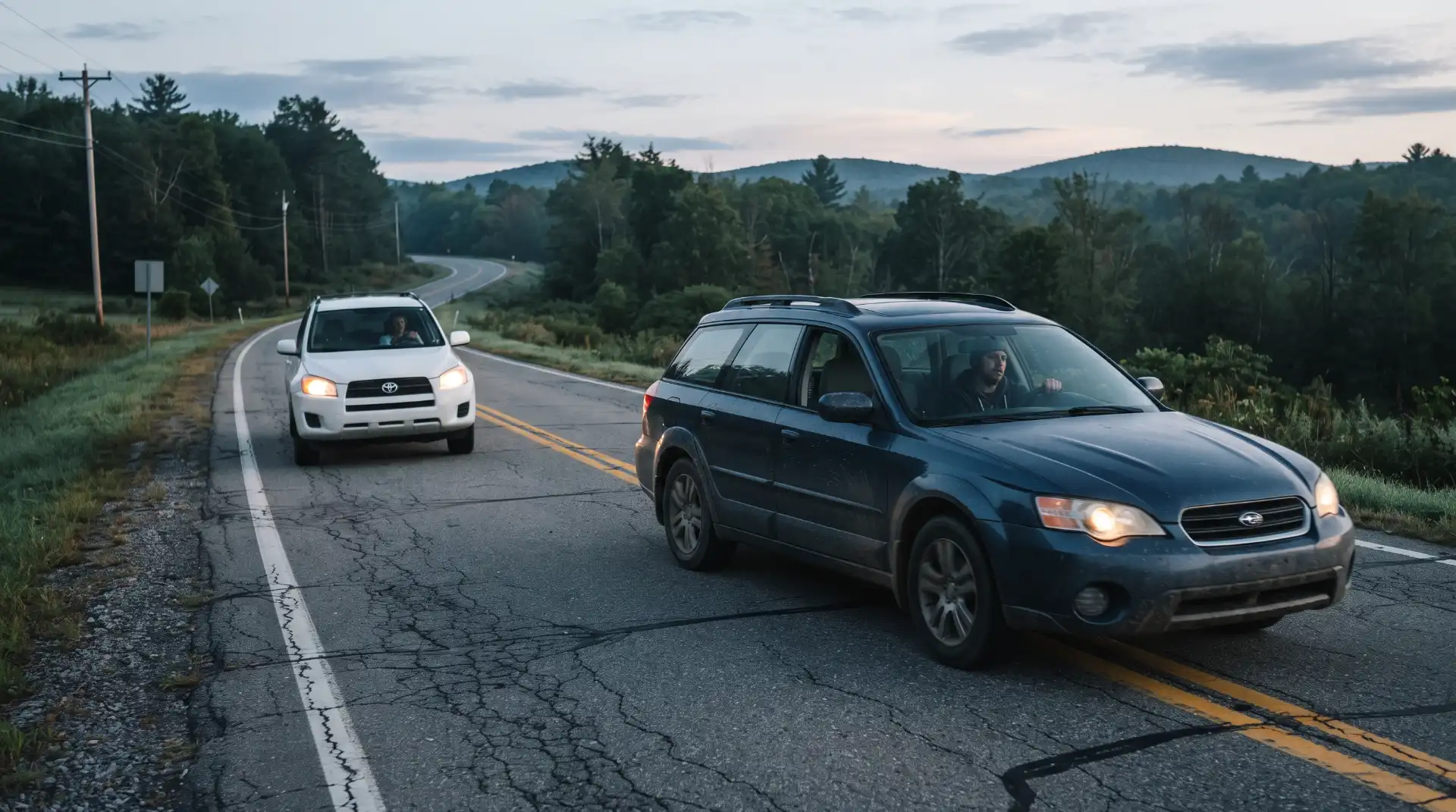
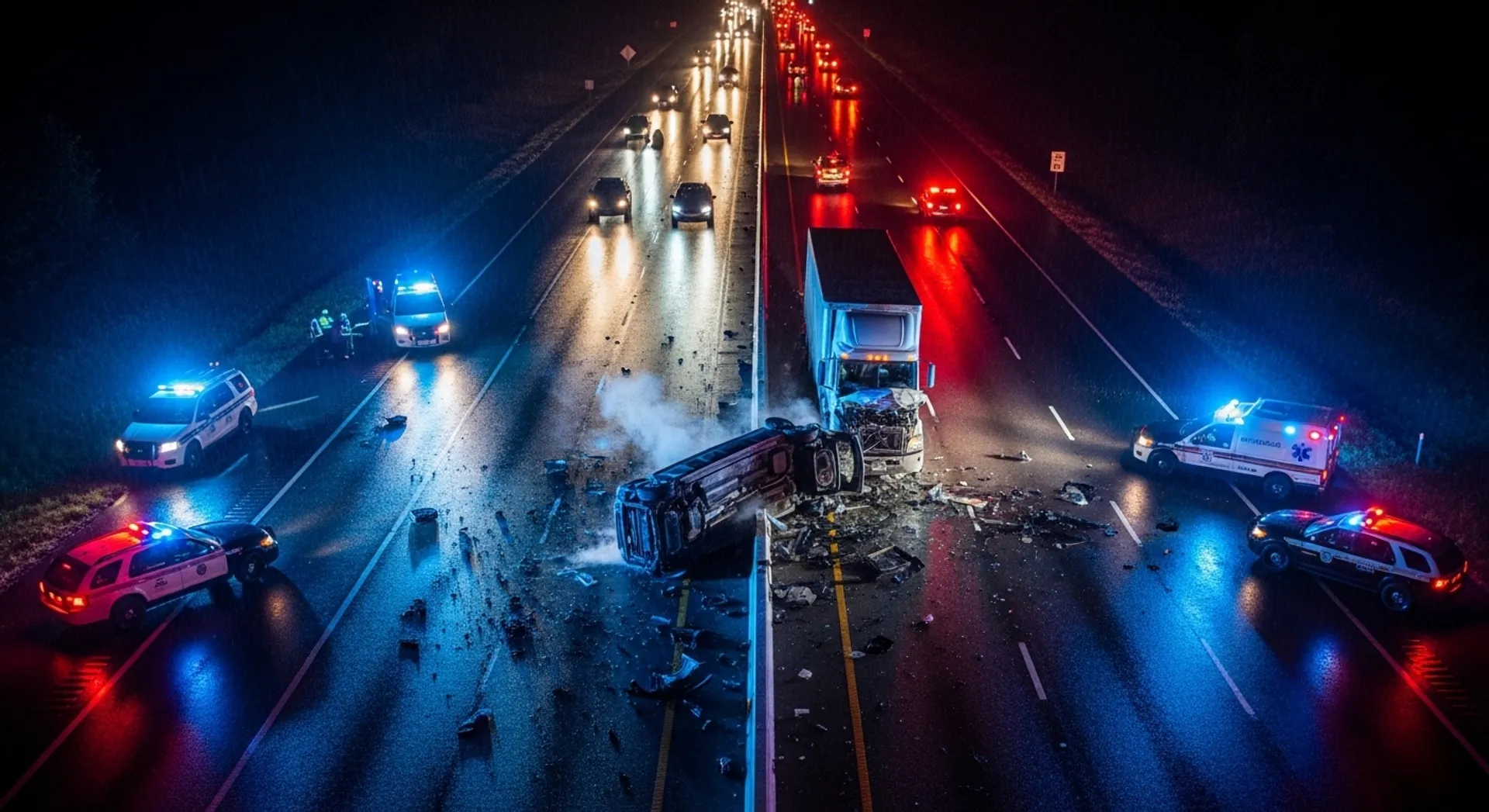
Wrong-way driving crashes are getting more attention in 2026 for one simple reason: when a driver enters the road in the wrong direction, the outcome is often violent, sudden, and life-changing. Few crash types create the same level of fear as a head-on collision. The closing speed is brutal, reaction time is limited, and the injuries are often severe. For drivers, passengers, and families, the aftermath can include emergency medical treatment, lost income, long-term rehabilitation, and a stressful fight with the insurance company.
That is why this topic matters so much for anyone searching for answers after a serious wreck. If you were hurt in a wrong-way collision, it is not enough to know that the crash was devastating. You also need to understand why these crashes happen, what evidence may prove fault, and what steps can protect your health and legal position. As you read, you can also explore our main resource center, review more safety content on our blogs page, and learn more about available help through our services page.
Why Wrong-Way Driving Crashes Are Getting More Attention
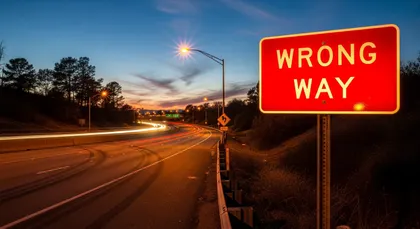
There is a reason wrong-way driving crashes are becoming a bigger part of the road-safety conversation. They are not the most common crashes on American roads, but they are among the most catastrophic. A crash that might have been survivable at lower speed can become deadly when two vehicles are moving directly toward each other. That is why safety agencies, researchers, and transportation planners are paying close attention to this issue, especially on divided highways, ramps, and dark rural roads where confusion and impaired driving can quickly turn into a head-on impact.
Why this crash type is so dangerous
A wrong-way crash is dangerous because it often combines the worst possible factors at the same time. Drivers may have only seconds to react. Visibility may already be poor. One vehicle may be speeding or drifting unpredictably. The innocent driver usually has no reason to expect an oncoming car in that lane, so the threat is recognized too late. Even when a driver spots the danger, there may be nowhere safe to go because of barriers, traffic, or the narrow shoulder. In many cases, the result is a full-force frontal crash instead of a sideswipe or near miss.
High closing speeds leave little room to react
One of the biggest reasons these cases are so severe is combined speed. If two vehicles are both traveling at highway speed, the force of impact can be devastating. That force increases the likelihood of traumatic brain injuries, spinal trauma, chest injuries, broken bones, internal bleeding, and fatalities. It also means the crash scene often tells a powerful story through crush damage, debris spread, skid marks, and vehicle resting positions.
Nighttime and unfamiliar roads raise the risk
Wrong-way driving crashes often happen when a driver is already at a disadvantage. Darkness makes signs easier to miss. Unfamiliar ramps and confusing road layouts increase the chance of a navigation mistake. Fatigue can slow judgment. Alcohol or drugs can completely destroy it. In other cases, age-related vision issues or cognitive decline may play a role. Whatever the cause, the pattern is clear: when awareness drops and roadway confusion rises, the risk of a head-on collision goes up fast.
What is driving the trend in 2026
In 2026, the topic is trending because more people are talking about prevention, not just blame after the fact. There is growing public interest in how road design, better signage, roadway sensors, driver-assistance features, and rapid alert systems can stop a wrong-way driver before impact. At the same time, victims and families are asking harder questions after crashes. Was the driver impaired? Did they miss or ignore warning signs? Was there a dangerous roadway design issue? Did a vehicle safety feature fail to help? These questions matter because wrong-way crash cases can involve more than one layer of responsibility.
Technology is part of the conversation, not the whole answer
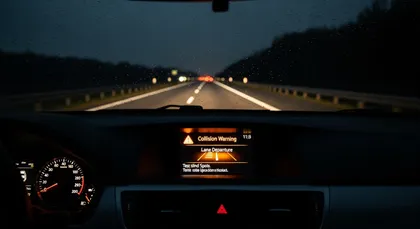
Technology is helping, but it is not a magic fix. Highway agencies are looking at systems that can detect wrong-way entry and trigger warnings. Vehicles also continue to add crash-avoidance and driver-warning tools. Still, technology works best when drivers are alert and able to respond. If you want a government overview of roadway-based prevention, the U.S. Department of Transportation explains wrong-way driving warning systems here. That matters for victims too, because understanding prevention tools can help explain how a crash happened and whether it could have been prevented.
What Victims and Families Should Do After a Head-On Collision
After a wrong-way collision, the legal and medical stakes are usually high from day one. These are not minor fender-benders. They are often emergency-room crashes followed by imaging scans, orthopedic treatment, neurological symptoms, missed work, and painful recovery. If you are physically able to act, the right steps early on can protect both your health and any future claim. If you are helping an injured relative, documentation becomes just as important as immediate care.
Steps that protect both health and a future claim
The first priority is medical treatment. Even if you think you avoided the worst of it, adrenaline can hide serious symptoms. Neck pain, concussion signs, abdominal pain, and numbness may appear hours later. After getting care, make sure the crash is reported properly and that you preserve every piece of documentation you can. Photos of the roadway, vehicle damage, lane markings, signs, and visible injuries can become important later. Keep discharge papers, prescriptions, invoices, work-loss records, and follow-up appointment notes. If witnesses stopped, their names and contact details can matter more than you realize.
You should also be careful when dealing with the insurance company. Adjusters may sound helpful, but their job is still to limit payouts. In a wrong-way crash, liability may seem obvious, but insurers can still argue about comparative fault, injury severity, prior medical history, or whether treatment was really necessary. That is one reason many victims benefit from learning their options early instead of assuming the insurer will handle everything fairly.
Evidence matters more than people think
Wrong-way driving crash claims are often built on more than one source of proof. Police reports, dashcam footage, surveillance video, toxicology results, event data recorder information, witness statements, 911 calls, and roadway photographs can all help reconstruct what happened. In some cases, an investigation may also look at ramp design, missing signs, poor lighting, or whether a driver had a history of impairment or license issues. The stronger the evidence, the harder it is for an insurer to minimize the claim.
Compensation in these cases may include emergency care, surgery, rehabilitation, prescription costs, lost wages, reduced earning capacity, pain and suffering, and other losses tied to the crash. In fatal cases, surviving family members may also have wrongful death concerns. The real issue is not just what the collision cost on the day it happened. It is what the crash continues to cost in the weeks, months, and years afterward.
Wrong-way driving crashes deserve attention because they combine preventable risk with devastating consequences. They are exactly the kind of collisions that remind people how quickly a routine drive can become a life-altering event. For victims, the path forward usually starts with the basics: get treated, preserve evidence, avoid careless statements to insurers, and understand your rights before accepting a quick settlement.
If you are researching this issue because a crash already happened, keep going. Read more through our blog resources, review the support available on our services page, and use our main site to better understand the injuries, recovery issues, and legal questions that follow a severe head-on collision. The more informed you are, the better positioned you will be to protect yourself and your family.