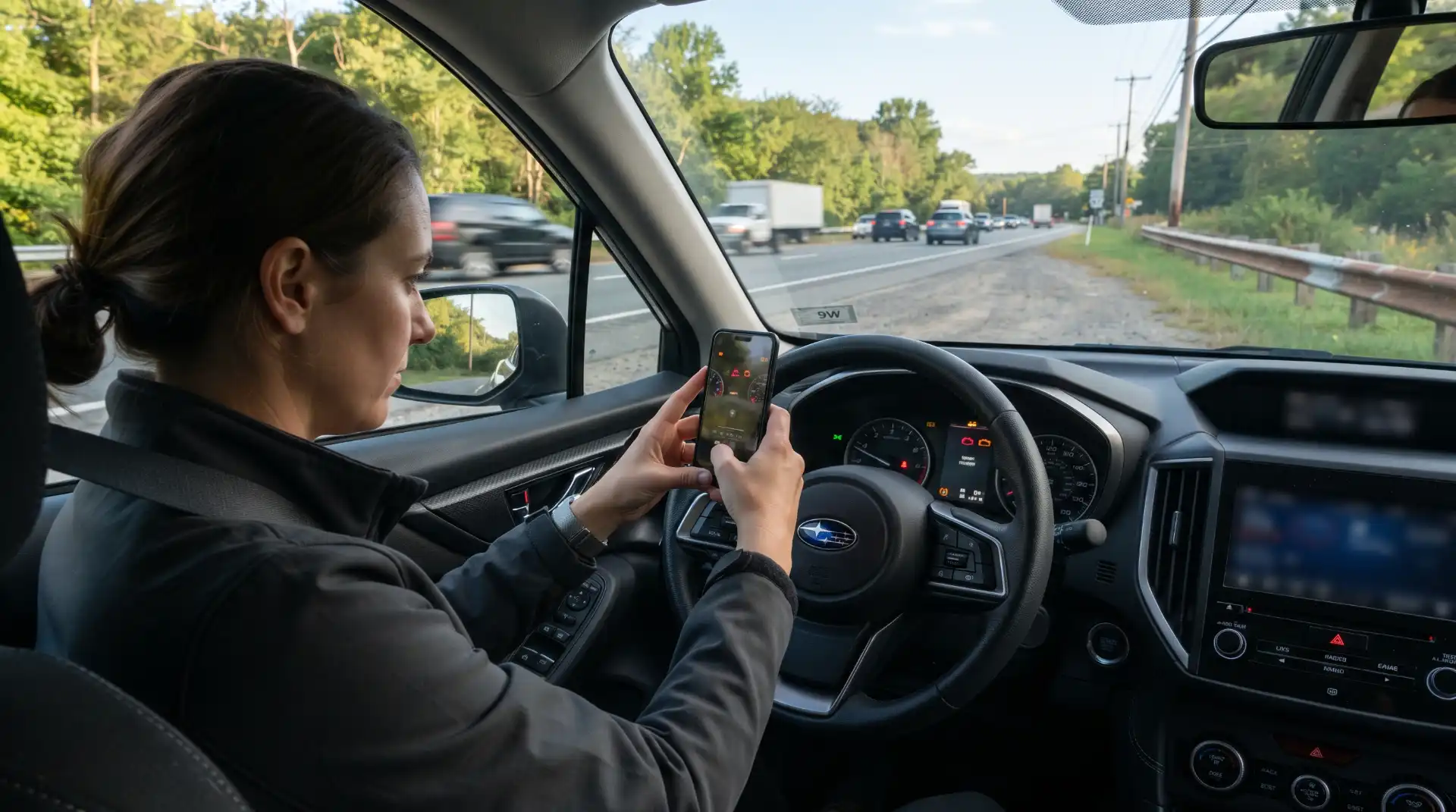
Driving is a complex task that relies on sharp vision and quick reactions. Yet, many crashes occur not because of recklessness but due to temporary vision impairments. Two common hazards — sun glare during sunrise or sunset and nighttime glare from oncoming headlights — are often underestimated. These conditions can obscure lane lines, traffic signs, and other vehicles, sometimes with deadly consequences. While official statistics may not always highlight glare as the primary cause of collisions, research consistently shows that it contributes to severe crashes by reducing visibility and slowing reaction times.
Understanding Glare and Its Impact
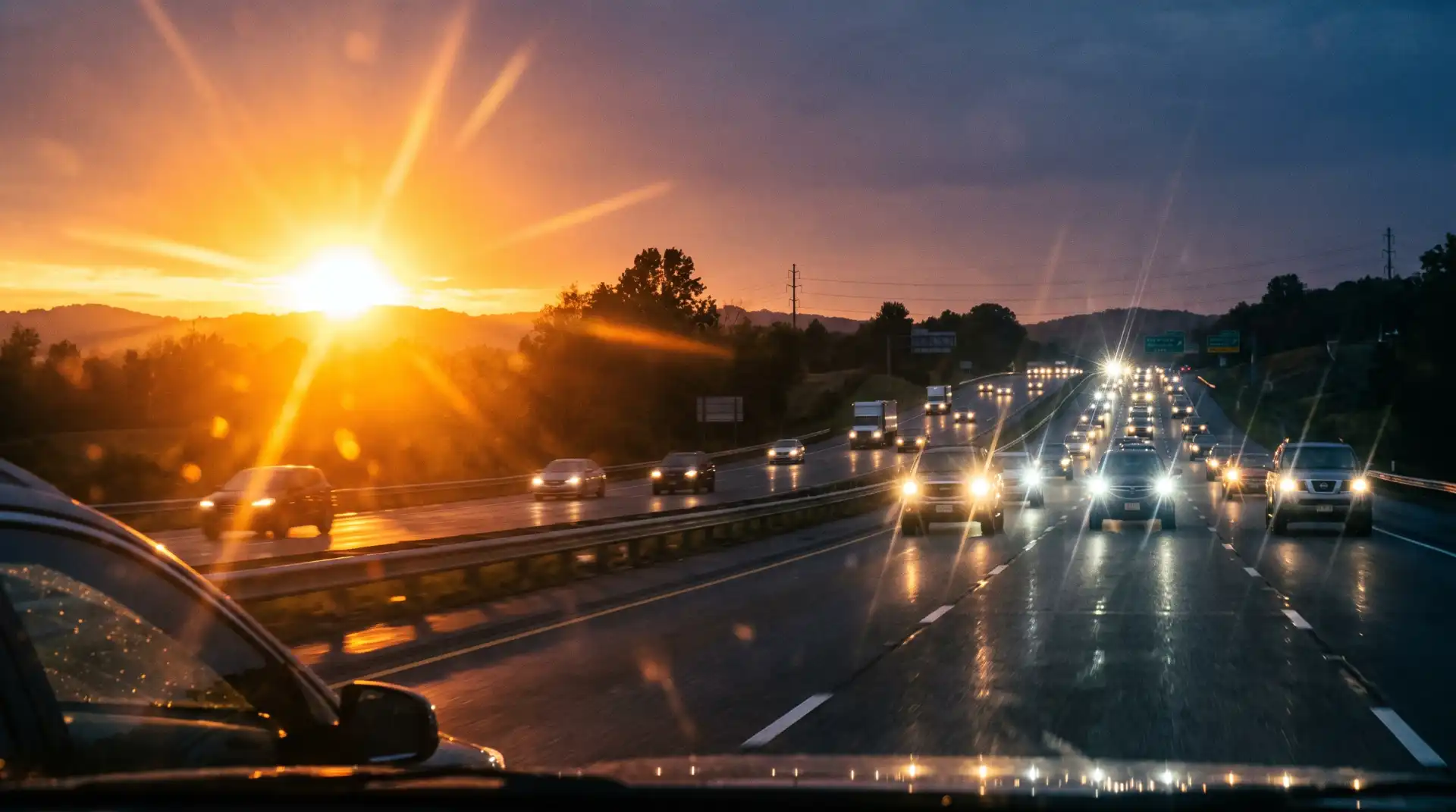
Glare refers to bright light that interferes with vision. It is broadly classified as sun glare or nighttime glare. Sun glare occurs when the sun sits low on the horizon, shining directly into the driver’s line of sight, typically during early mornings or late afternoons. Nighttime glare, on the other hand, comes from intense headlights, especially high-intensity LED or HID lights from oncoming vehicles. Both types reduce contrast sensitivity and can temporarily impair the ability to detect hazards on the road, increasing the likelihood of collisions.
Research shows that glare-induced visual impairment affects not just comfort but also safety. The eyes take time to recover after exposure to bright light, during which hazards may go unnoticed. For drivers on rural roads, highways, or intersections, these moments of reduced visibility can have serious consequences.
Sun Glare and Its Role in Severe Collisions
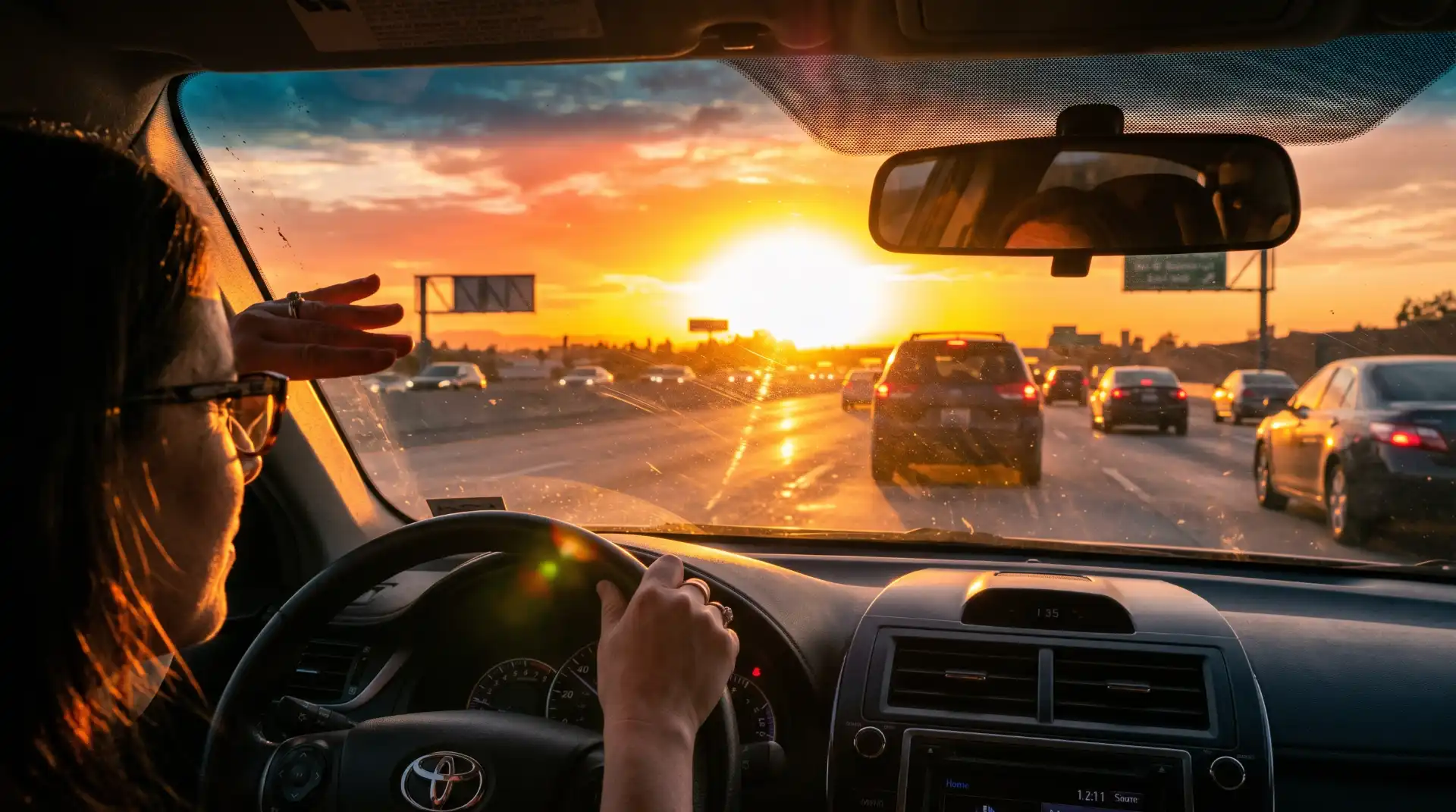
Sun glare has long been recognized as a factor in crashes, particularly on east-west roads where sunrise and sunset align with traffic. Drivers blinded by the sun may fail to see traffic signals, stopped vehicles, pedestrians, or changing traffic conditions. Several studies highlight that glare can slow reaction time, reduce hazard detection, and contribute to crashes that result in severe injuries. In open areas or highways with few trees or structures to block the sun, these effects are even more pronounced.
For example, a study analyzing rural traffic collisions found that sun glare was linked to a higher frequency of crashes at intersections and along open stretches of road. Drivers caught off guard by glare often have little time to brake or steer, making even moderate-speed crashes more dangerous. Beyond the immediate impact, glare-related incidents can contribute to multi-vehicle collisions due to the sudden loss of visual awareness.
Nighttime Headlight Glare
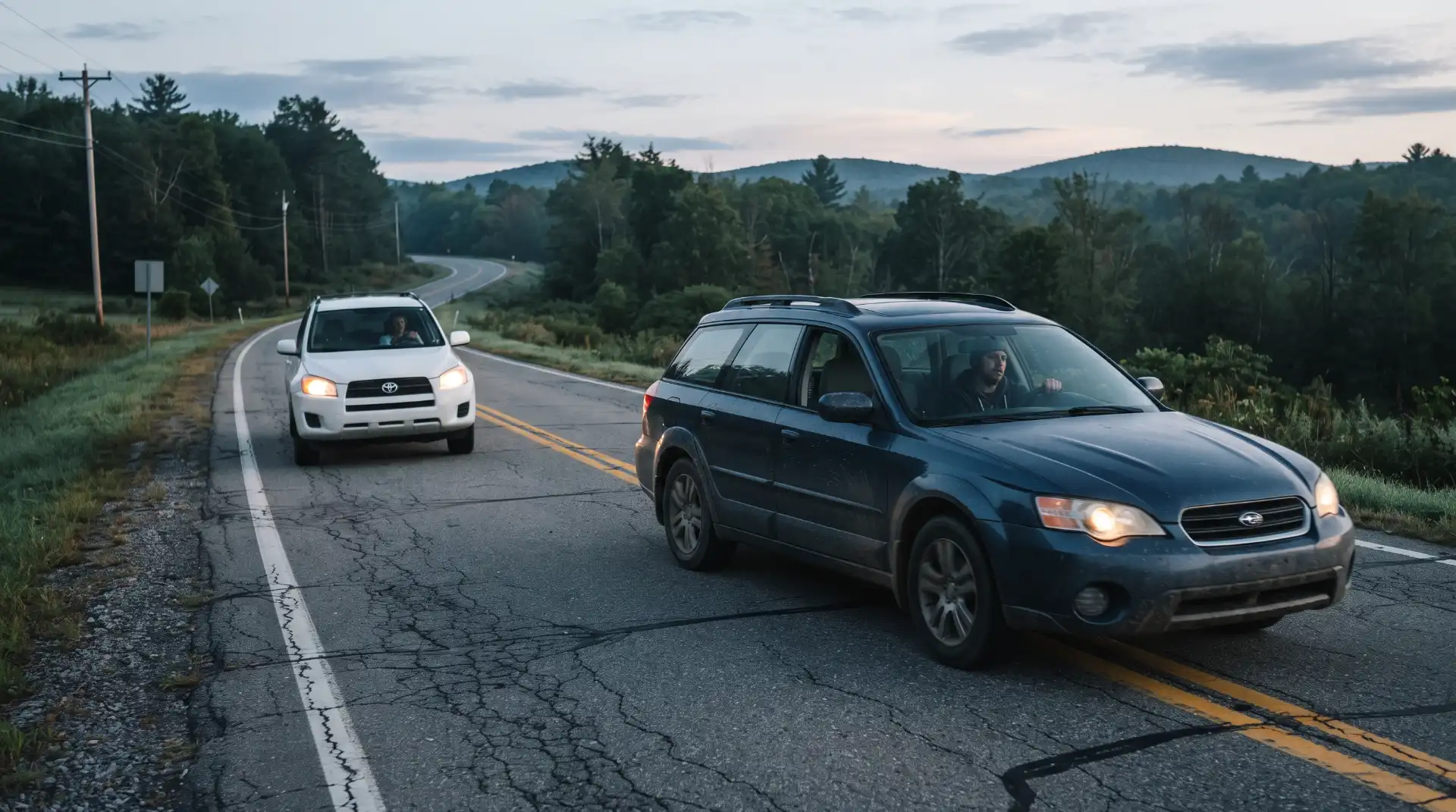
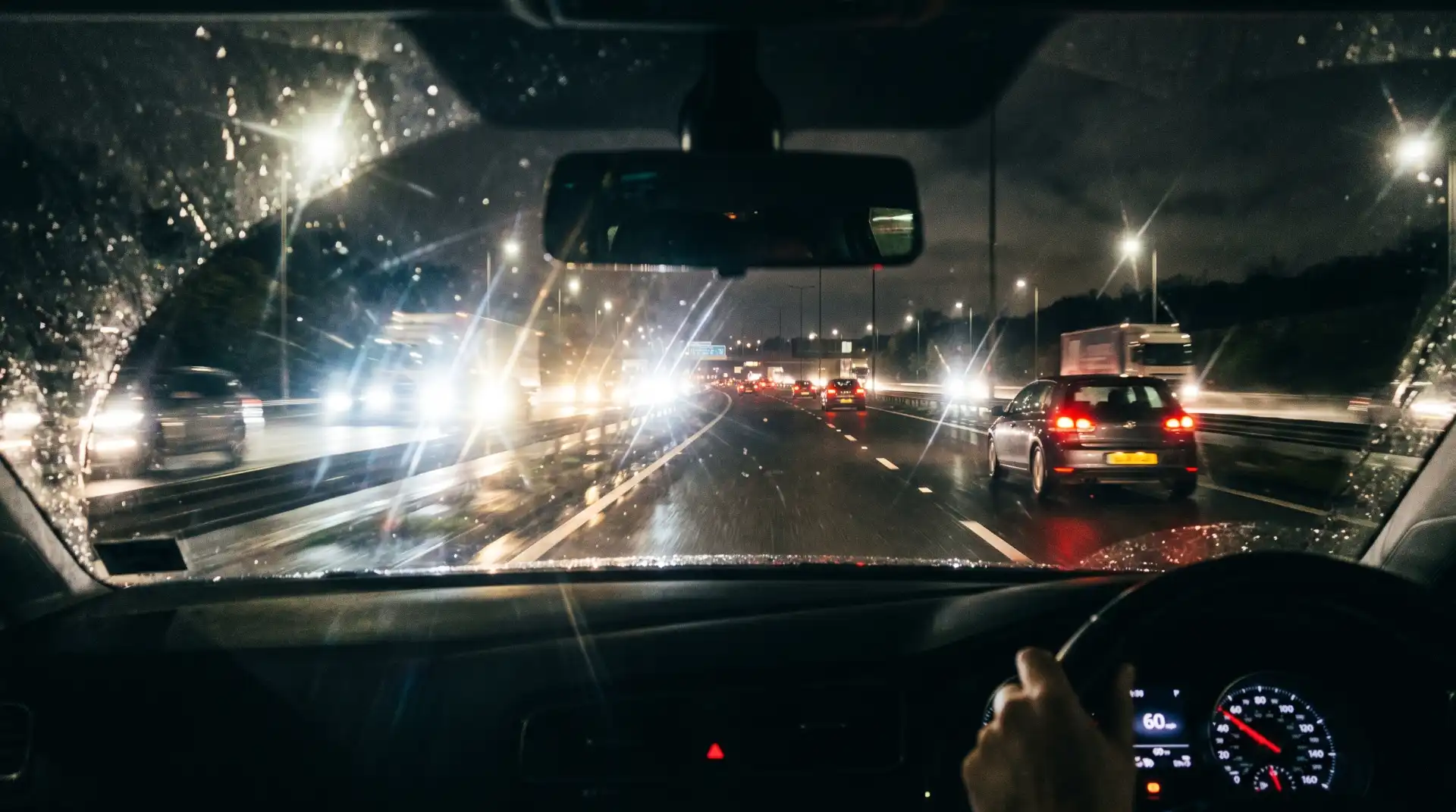
Nighttime glare is another hidden hazard. While it accounts for a small percentage of reported crash causes, its effects on vision are substantial. Drivers report that bright headlights can be disorienting, causing temporary blindness or distraction. Older drivers and those with vision conditions are especially vulnerable, as their eyes recover more slowly after exposure to bright light.
Modern vehicles with LED and HID headlights, though safer in terms of visibility for their drivers, can intensify glare for oncoming vehicles. A survey conducted by AAA in 2026 found that nearly 60% of American drivers consider headlight glare a serious problem, and a significant portion indicated that glare has worsened with newer lighting technologies.
Even if the crash statistics do not always show high numbers attributed to headlight glare, the visual impairment it causes can indirectly contribute to severe collisions, particularly when combined with other risk factors such as speeding, fatigue, or poor road conditions.
The Science Behind Visibility Impairment
Glare affects drivers both physiologically and psychologically. For sun glare, the intense low-angle sunlight reduces contrast sensitivity and can temporarily blind drivers. Recovery after glare exposure is slower, meaning drivers may not fully regain visual clarity when a hazard suddenly appears. Nighttime glare has similar effects: it creates discomfort, reduces visibility, and can delay recognition of obstacles, lane markings, and signs. The phenomenon, known as disability glare, scatters light inside the eye, diminishing visual performance for several seconds after exposure.
Research in vision science confirms that even small delays in reaction time due to glare can translate into much higher risks of severe collisions. At highway speeds, a fraction of a second’s delay can mean tens of feet traveled before a driver reacts, significantly increasing the impact force during a crash.
Real-World Scenarios
Sun glare is particularly dangerous on highways aligned east-west, during morning and evening commutes, and at intersections where the sun can hide critical signals or crossing vehicles. Drivers may not see pedestrians or stopped cars until it is too late. Nighttime glare is more common on rural roads, undivided highways, and hilly terrain, where bright headlights appear suddenly around curves or over crests. Older drivers are disproportionately affected due to slower adaptation to bright lights.
These scenarios show that glare is often a contributing factor rather than the sole cause of collisions. It interacts with other risks, such as speeding, distraction, or road design, to increase the probability of severe outcomes.
Practical Steps to Reduce Glare Risks
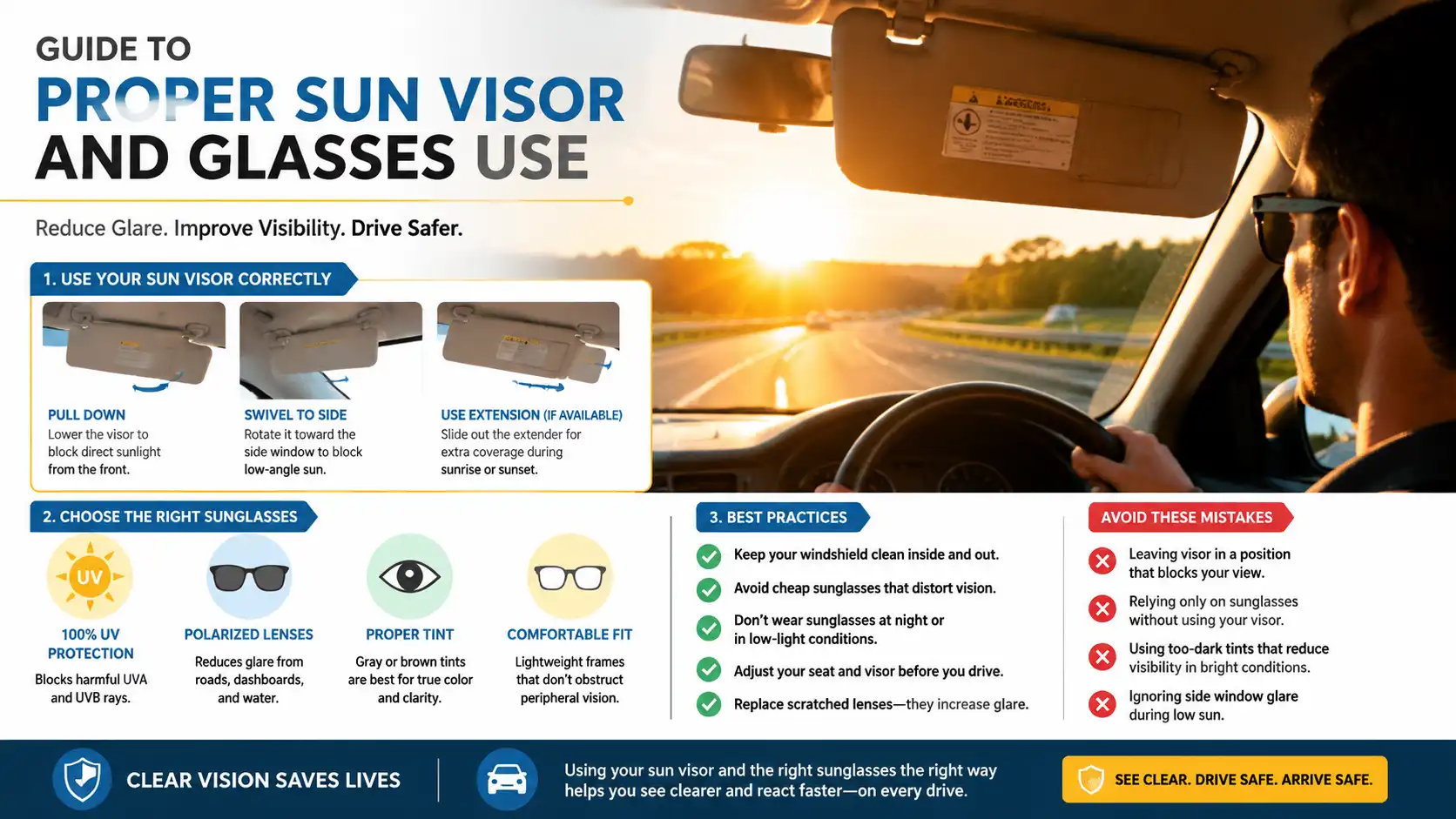
Drivers can take multiple strategies to minimize glare-related risks. During sunrise and sunset, proper use of sun visors and polarized sunglasses can significantly reduce sun glare. Cleaning windshields to remove dirt and streaks also helps prevent light scatter. Slowing down and increasing following distance provides more time to react when visibility is compromised.
At night, focusing on the right edge of the lane rather than looking directly at oncoming headlights can prevent temporary blindness. Keeping mirrors and windshields clean, using low beams when following vehicles closely, and choosing vehicles with adaptive headlight systems can further reduce glare effects.
Technology and Road Design Solutions
Transportation safety experts are exploring solutions such as adaptive headlights that automatically dim for oncoming traffic, better reflective lane markings, and driver education programs emphasizing glare awareness. These measures are designed to mitigate the invisible risks that glare poses and improve overall road safety.
Emerging vehicle technologies, including automatic braking and lane assist systems, also help reduce crash risk in glare-prone scenarios. While glare might not be listed as a leading cause in crash reports, improving visual conditions for drivers can significantly decrease the likelihood of severe collisions.
Conclusion
Nighttime and sun glare are often overlooked hazards that have real consequences for drivers across the United States. By understanding how glare impairs vision, recognizing risk periods, and taking proactive measures, drivers can reduce their chances of being involved in severe collisions. While not every crash caused by glare is reported as such, the underlying impairment to vision can have serious downstream effects. Awareness, careful driving, and using modern technology to mitigate glare can make roads safer for everyone.
For more information about the effects of glare and safe driving tips, you can refer to the National Highway Traffic Safety Administration’s research on visibility and crash prevention:
🔗 NHTSA Nighttime Glare Research