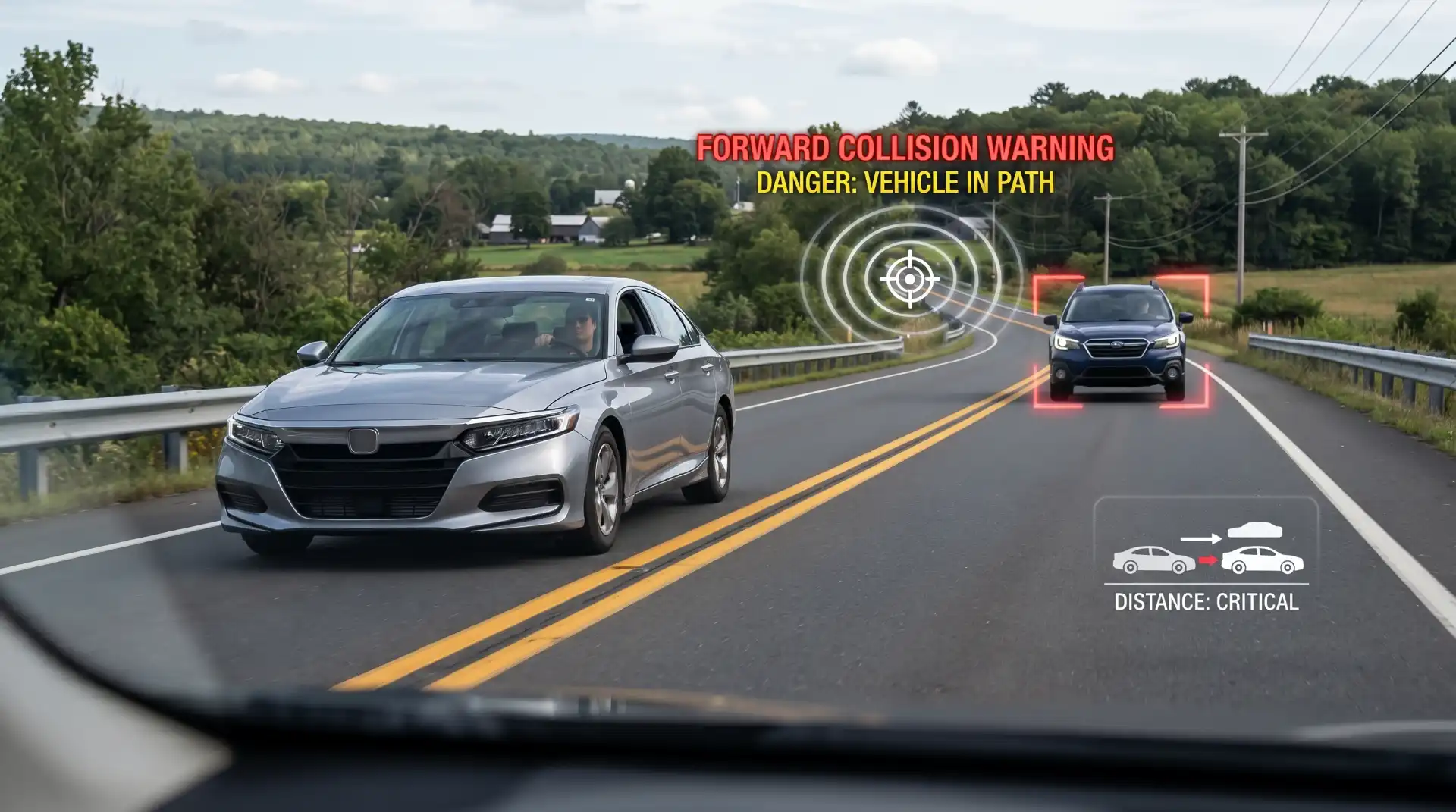
Head-on collisions are among the most dangerous crashes that can occur on American roads. Unlike many rear-end or low-speed side-impact crashes, a head-on collision can involve two vehicles traveling toward each other at significant speeds. When one vehicle crosses the centerline, drifts from its lane, enters an opposing lane, or travels the wrong way on a roadway, the available time for the other driver to respond can be extremely short.
Modern vehicles are increasingly equipped with technology designed to help drivers recognize and respond to these types of hazards. Advanced driver-assistance systems, commonly referred to as ADAS, can monitor lane position, warn drivers about potential collisions, provide steering assistance, and automatically apply the brakes in certain situations.
This raises an important question for American drivers: Can driver-assistance technology prevent head-on collisions?
In some circumstances, these technologies may help prevent a crash or reduce its severity. Lane departure warning and lane keeping assistance are particularly relevant when a vehicle unintentionally moves toward or across a lane boundary. Forward collision warning and automatic emergency braking can provide another layer of protection in certain forward-crash situations.
However, driver assistance is not the same as fully automated driving. The National Highway Traffic Safety Administration explains that drivers remain responsible for operating their vehicles and monitoring the roadway when using driver-assistance systems. NHTSA currently describes Level 0, Level 1, and Level 2 technologies as requiring the driver to remain engaged and attentive.
That distinction is especially important in head-on collision situations. A driver who assumes a vehicle will automatically avoid every danger may respond too slowly when the technology encounters a situation it cannot handle.
Understanding what these systems can do, what they cannot do, and how they may interact with common causes of head-on collisions can help drivers make better use of modern vehicle safety technology.
What Is Driver-Assistance Technology?
Driver-assistance technology consists of electronic systems designed to help drivers perform specific driving tasks or recognize potential hazards. Depending on the vehicle, these systems may use cameras, radar, sensors, software, or combinations of different technologies to monitor the roadway and vehicle surroundings.
The technology can perform several different functions.
Some systems simply warn the driver. Lane departure warning, for example, monitors the vehicle’s position and alerts the driver when the vehicle appears to be drifting out of its lane. Forward collision warning can alert a driver when a potential collision with a vehicle ahead is detected.
Other systems can take limited action. Lane keeping assistance can provide corrective steering when a vehicle unintentionally moves out of its lane. Automatic emergency braking can apply the brakes when certain forward collision conditions are detected.
NHTSA explains that driver-assistance technologies vary in their functions. Some are designed primarily to warn drivers, while others can intervene by braking or steering.
This difference is important because not every technology is designed to address the same kind of crash.
A system that helps keep a vehicle centered in its lane may be particularly relevant to a driver who is drifting across the centerline. An automatic emergency braking system, on the other hand, may be primarily designed around detecting a vehicle or other obstacle in the forward path.
Drivers should therefore avoid assuming that having “advanced safety technology” means the vehicle can automatically prevent every possible head-on collision.
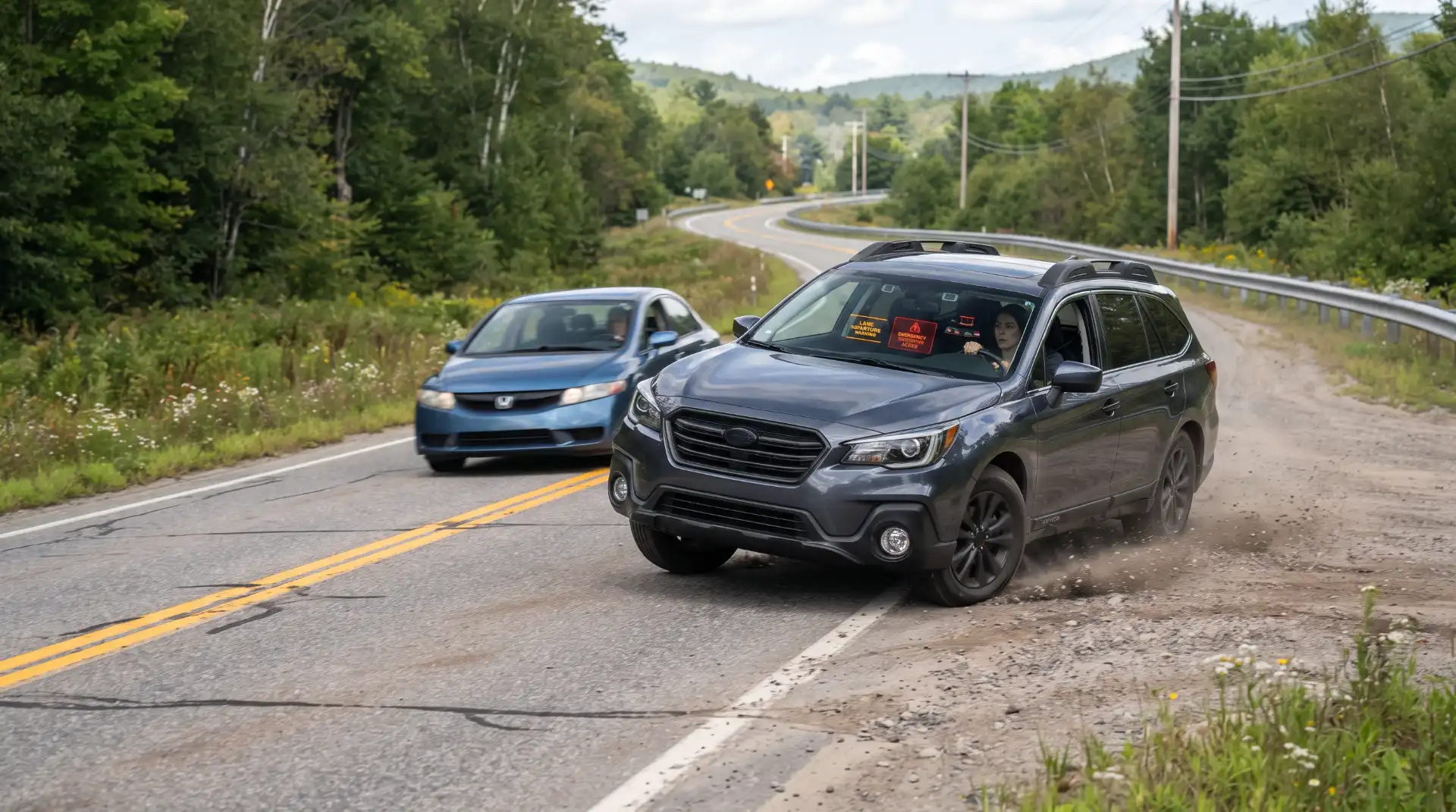
Why Head-On Collisions Are Particularly Difficult to Prevent
Head-on crashes can develop extremely quickly.
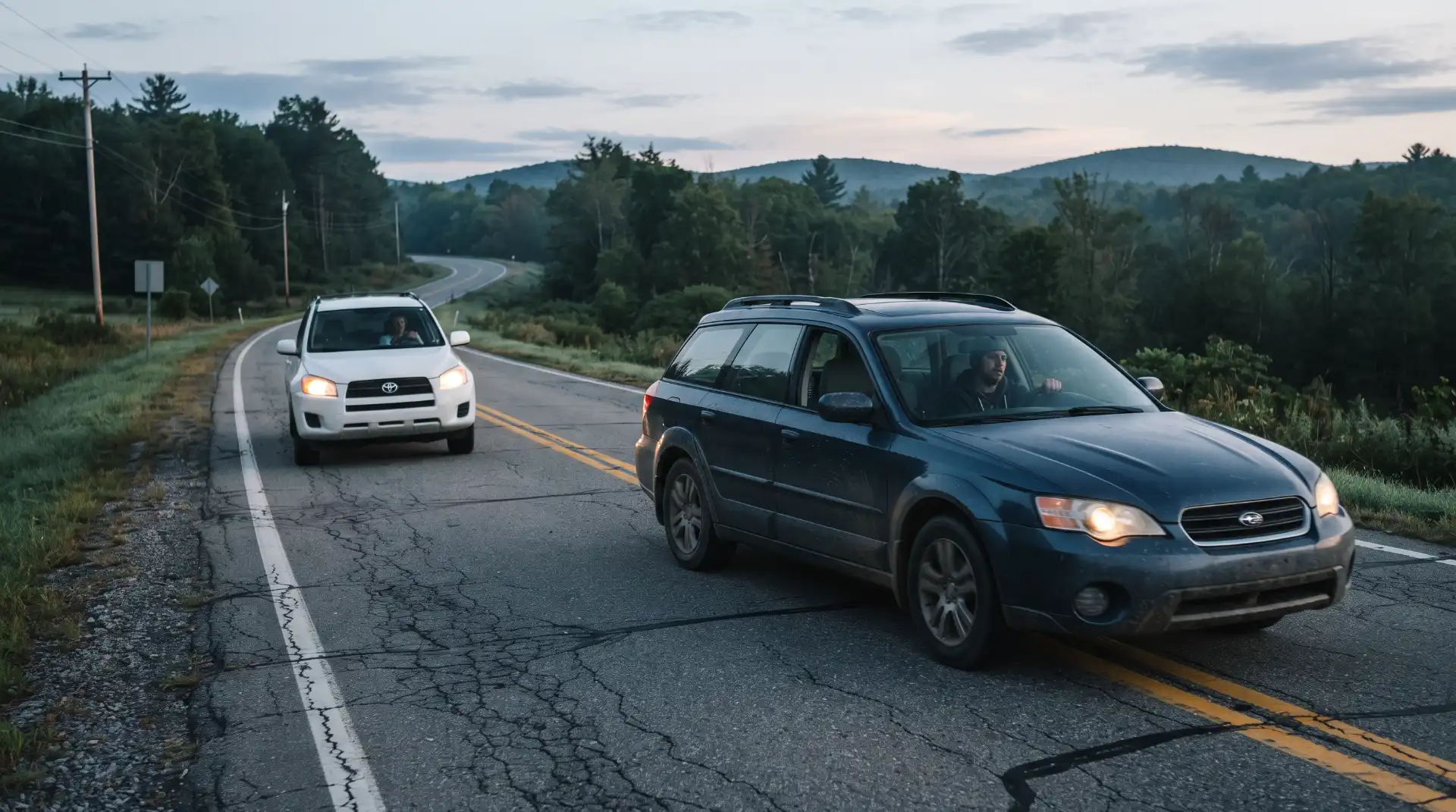
Imagine a driver traveling on a two-lane rural highway. The vehicle suddenly drifts toward the centerline because the driver looks down at a phone. At the same time, an oncoming vehicle is traveling in the opposite direction.
The danger may develop within seconds.
The innocent driver may have very little room to maneuver because the road could have narrow shoulders, guardrails, trees, ditches, barriers, or other vehicles. Even if the driver recognizes the threat, choosing the safest evasive maneuver can be difficult.
The situation becomes even more complicated when the vehicle that crosses the centerline is moving unpredictably.
A driver-assistance system may recognize that the vehicle is leaving its lane, but the system still has to detect the lane markings, determine the vehicle’s position, process the situation, and provide an appropriate warning or intervention.
This is one reason driver-assistance technology should be considered an additional layer of protection rather than an absolute guarantee against a crash.
Lane Departure Warning and Head-On Collision Prevention
Lane departure warning is one of the driver-assistance technologies most directly connected to preventing certain head-on collisions.
NHTSA explains that lane departure warning monitors the vehicle’s position within its lane and alerts the driver when the vehicle approaches or crosses lane markings. The system may use visual, audible, or other types of alerts depending on the vehicle.
The potential benefit is straightforward.
A driver may not realize that the vehicle is slowly drifting toward the centerline. The warning can call attention to the problem before the vehicle travels far enough into the opposing lane to create a collision.
This can be especially important when fatigue or distraction is involved.
For example, a driver who looks away from the roadway for several seconds may unintentionally move toward the centerline. A warning could prompt the driver to look back at the roadway and correct the vehicle’s direction.
NHTSA specifically notes that lane departure warning can help with crashes involving a vehicle moving into another lane, including situations where the vehicle could strike a vehicle traveling in the opposite direction.
However, lane departure warning does not automatically steer the vehicle back into its lane. It is primarily a warning system. The driver must still respond.
This distinction can be crucial.
If the driver is awake, alert, and capable of responding, the warning may provide valuable extra time. If the driver is asleep, severely impaired, incapacitated, or otherwise unable to react, the warning alone may not prevent the collision.
Lane Keeping Assistance Can Provide Another Layer of Protection
Lane keeping assistance goes beyond simply warning the driver.
NHTSA explains that lane keeping assistance can automatically provide corrective action when a vehicle is about to unintentionally leave its lane. Depending on the system, that intervention may involve steering, braking, acceleration of individual wheels, or a combination of actions intended to return the vehicle to its lane.
This technology can be particularly relevant to head-on collision prevention because many frontal crashes begin when a vehicle leaves its intended lane.
Consider a driver traveling on a long rural highway. The driver becomes distracted and begins drifting toward the centerline. The system detects the lane departure and provides corrective steering.
The intervention does not necessarily mean the vehicle will avoid every collision. Instead, it can provide another opportunity for the driver to regain control.
The difference between a warning and intervention can matter in situations where the driver has only a few seconds to respond.
However, lane keeping assistance has limitations.
The system generally depends on its ability to identify lane markings or other roadway information. Faded pavement markings, construction zones, unusual road configurations, weather conditions, and other circumstances can interfere with system performance.
NHTSA has noted that lane departure warning performance can be affected by precipitation, poor roadway conditions, faded or missing lane markings, and other conditions.
Drivers should therefore understand that lane keeping assistance is not a replacement for watching the road.
How Driver Assistance May Help With Drowsy Driving
Drowsy driving is particularly relevant to head-on collisions because fatigue can cause a vehicle to drift gradually from its lane.
A driver who is becoming sleepy may have difficulty maintaining consistent lane position. The driver may also experience slower reaction times, reduced attention, and brief periods of inattention.
Your article, Drowsy Driving and Head-On Collisions: Warning Signs, Liability, and Evidence, explores how fatigue can lead to lane departures and what types of evidence may become important after a crash.
Driver-assistance technology can potentially provide an additional warning when a tired driver begins drifting.
For example, lane departure warning may alert the driver that the vehicle is moving toward the centerline. Lane keeping assistance may provide corrective steering.
Some newer vehicles may also include driver-monitoring technology designed to detect signs that the driver is not paying sufficient attention.
Even so, technology should never be viewed as permission to drive while exhausted.
A sleeping driver cannot reliably respond to a warning. A vehicle’s lane assistance system may not be capable of handling every road configuration or emergency situation.
The safest solution to serious fatigue remains stopping the vehicle and getting adequate rest.
Can Driver Assistance Help Distracted Drivers?
Distraction is another major cause of unintended lane departures.
A driver who looks down at a smartphone may travel a considerable distance without properly observing the roadway. Even a short period of visual distraction can be dangerous on a two-lane road.
Driver-assistance technology may sometimes detect that the vehicle is leaving its lane and issue a warning or corrective steering input.
However, the technology does not make distracted driving safe.
If the driver is looking at a phone while the system corrects the vehicle, the driver may not notice another hazard developing ahead. An oncoming vehicle may be approaching, a pedestrian may be crossing the road, or traffic conditions may change.
A safety system designed to address one type of danger cannot necessarily account for every other danger occurring simultaneously.
This is why NHTSA continues to emphasize that drivers must remain engaged and attentive even when driver-assistance systems are active.
Technology can supplement safe driving. It cannot make unsafe driving safe.
Automatic Emergency Braking and Head-On Crashes
Automatic emergency braking, commonly called AEB, is one of the most widely discussed crash-avoidance technologies.
NHTSA explains that automatic emergency braking can automatically apply the brakes when a forward collision is imminent. The agency identifies crash imminent braking and dynamic brake support as AEB technologies that can help avoid or mitigate certain forward crashes.
However, drivers should understand an important distinction.
AEB is not necessarily designed to prevent every head-on collision involving an oncoming vehicle.
Many AEB systems are designed around detecting an object or vehicle in the forward path under particular operating conditions. A head-on collision involving another vehicle crossing the centerline presents a different situation from a typical rear-end crash.
The time available to detect and respond may also be extremely short.
For example, if another vehicle suddenly crosses the centerline just seconds before impact, there may not be enough time or distance for automatic braking to completely stop the vehicle.
Even when a system cannot avoid the collision, braking may potentially reduce the vehicle’s speed before impact in situations where the system successfully detects the hazard and intervenes.
NHTSA notes that active braking technologies can be designed to help avoid or mitigate crashes when a driver’s response is absent or insufficient.
The exact capabilities depend on the vehicle and system.
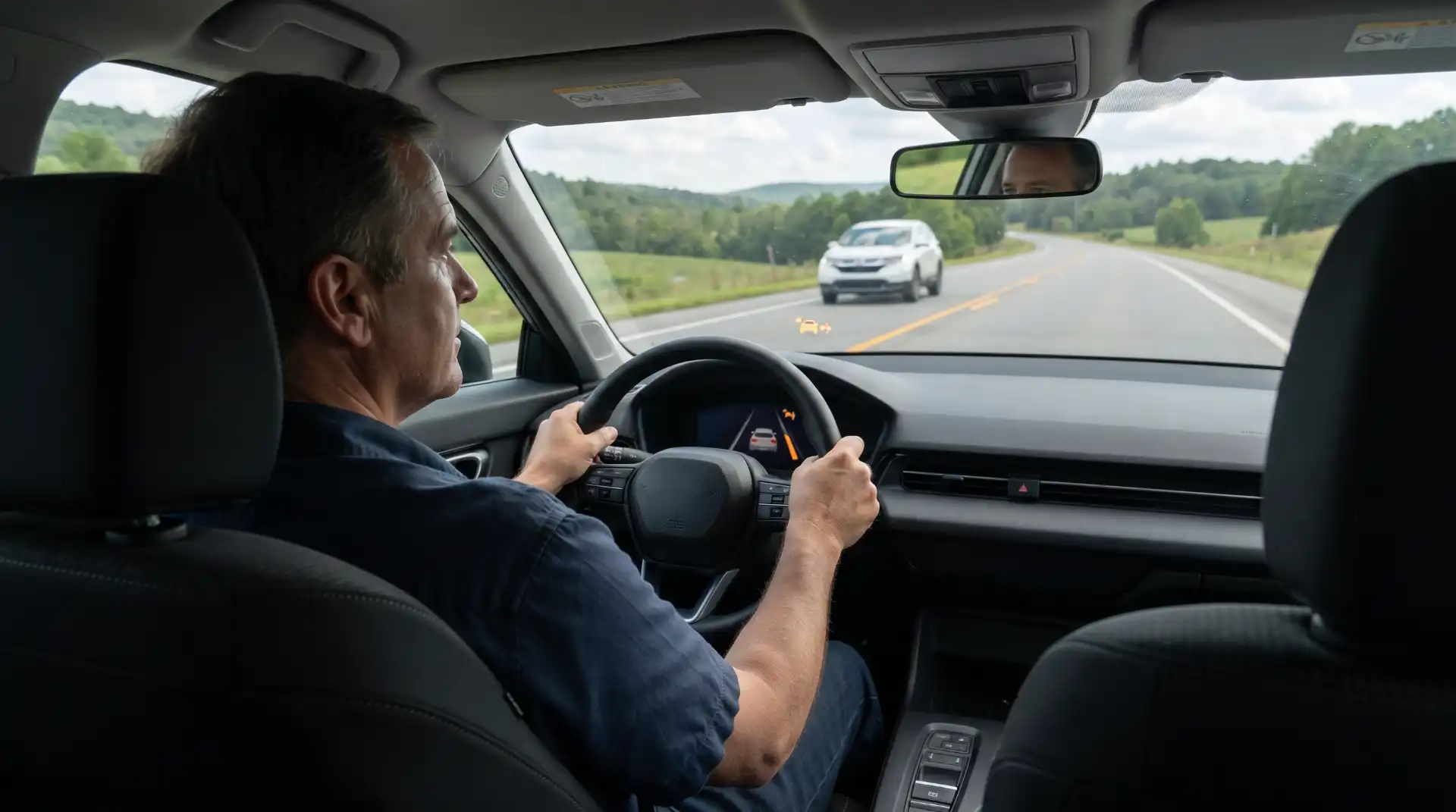
Forward Collision Warning Is Not the Same as Automatic Braking
Forward collision warning and automatic emergency braking are sometimes discussed together, but they perform different functions.
Forward collision warning is primarily a warning system. NHTSA explains that it monitors the vehicle ahead and warns the driver when a potential collision is detected. The driver must then brake or take another evasive action.
Automatic emergency braking can go further by applying the brakes in certain imminent collision situations.
That distinction matters after a head-on crash because an investigation may need to determine which technology was actually installed and activated.
A vehicle may have forward collision warning without having a system capable of automatically braking in the same situation.
Consumers should therefore look beyond broad descriptions such as “collision avoidance technology.”
The owner’s manual and vehicle specifications can provide more precise information about the system’s intended operation.
Can ADAS Detect an Oncoming Vehicle Crossing the Centerline?
This is one of the most complicated questions surrounding head-on crash prevention.
If an oncoming vehicle suddenly crosses the centerline, the driver-assistance system must identify the vehicle, determine that its trajectory creates a collision risk, and respond quickly enough to make a difference.
Some modern vehicles may have systems with increasingly sophisticated sensors and software capable of recognizing more complex roadway situations.
But not every system is designed to respond to an oncoming vehicle in the same way.
There may also be differences in how the system handles a vehicle that is stationary, traveling in the same direction, approaching from the opposite direction, or crossing the vehicle’s path.
This means drivers should not assume that the presence of radar or cameras automatically means the vehicle can prevent a head-on crash.
Technology is highly dependent on how it was designed and tested.
Wrong-Way Drivers Present a Special Challenge
Wrong-way driving is another situation where head-on collision prevention technology faces significant challenges.
A wrong-way driver may enter a freeway ramp in the wrong direction, travel against traffic, or enter the opposing lane on an undivided roadway.
Your article Wrong-Way Driving Crashes: Why They Cause So Many Head-On Collisions in 2026 explains why these crashes can be particularly severe and discusses roadway technology and prevention efforts.
A vehicle’s driver-assistance technology may provide warnings in certain circumstances, but a wrong-way crash can develop too quickly for the system to guarantee avoidance.
Consider two vehicles traveling toward one another on a highway at significant speeds. Even if the system recognizes the approaching vehicle, there may be only a very short window in which to warn the driver or initiate an intervention.
This is why roadway-based wrong-way detection systems, improved signage, driver awareness, and vehicle technology can all be part of a broader prevention strategy.
No single technology is likely to eliminate every wrong-way collision.
Nighttime Conditions Can Make Technology More Challenging
Head-on crashes can be especially difficult to avoid at night because visibility is reduced.
Drivers may have trouble seeing lane markings, pedestrians, roadway hazards, or an approaching vehicle that does not have properly functioning lights.
Glare from headlights can also temporarily interfere with a driver’s vision.
Your existing article How Nighttime Glare and Sun Glare Contribute to Severe Collisions provides additional information about how glare can affect visibility and reaction time.
Driver-assistance systems may provide another layer of monitoring, but cameras and other sensors can also have operating limitations in poor visibility.
A system that performs well during clear daylight conditions may not perform identically during heavy rain, fog, snow, glare, or other difficult conditions.
Drivers should therefore continue adjusting their speed and driving behavior to match visibility.
Weather Can Affect ADAS Performance
Weather conditions can create additional challenges for both human drivers and vehicle sensors.
Rain can obscure lane markings and reduce visibility. Snow can cover pavement markings entirely. Fog can make it more difficult to recognize objects at a distance. Mud, dirt, ice, and other contamination can potentially interfere with cameras or sensors.
NHTSA’s information about lane departure systems notes that precipitation and poor roadway conditions can affect system performance.
This does not mean driver-assistance technology is useless in bad weather.
It means drivers should understand that these systems have operating boundaries.
If a vehicle displays a warning that a camera or sensor is unavailable, the driver should not assume the system is still providing its normal level of assistance.
The driver remains responsible for safely operating the vehicle.
What Happens When Lane Markings Are Faded?
Lane markings are especially important for technologies that rely on lane detection.
On a newly paved highway with clear lane lines, a camera-based system may have an easier time identifying the vehicle’s position.
On an older rural roadway with faded markings, construction markings, temporary lane shifts, or confusing pavement patterns, the situation may be more difficult.
This can be particularly important in the United States because roadway conditions vary considerably between states, counties, cities, and rural areas.
A driver traveling on an unfamiliar rural road may encounter narrow lanes, missing markings, sharp curves, hills, or temporary construction zones.
Driver-assistance systems should not be expected to interpret every unusual roadway situation perfectly.
What About Driver Monitoring Technology?
Some newer vehicles include systems that monitor the driver’s attention.
These systems may use cameras or other sensors to determine whether the driver appears to be paying attention to the roadway.
The potential safety benefit is significant because driver-assistance technology can create a new risk if drivers become overly confident in automation.
A driver may begin assuming the vehicle is doing most of the work and pay less attention.
That concern has received attention from the National Transportation Safety Board. In March 2026, the NTSB reported findings from investigations of two fatal crashes involving Ford’s BlueCruise partial automation system and said driver overreliance on the automated system contributed to both crashes.
The NTSB’s findings illustrate why the distinction between assistance and automation matters.
Even advanced systems can have limitations, and drivers must understand when they are expected to monitor the roadway and intervene.
ADAS Does Not Mean the Vehicle Is Self-Driving
One of the most important points for consumers is that driver assistance is not the same as a fully autonomous vehicle.
NHTSA currently describes Level 0 systems as providing momentary assistance while the driver remains fully engaged. Level 1 systems can provide continuous assistance with either steering or acceleration/braking. Level 2 systems can provide both steering and acceleration/braking assistance, but the driver must still remain engaged and attentive.
This means that a vehicle equipped with advanced lane-centering or highway assistance is not necessarily capable of handling every driving situation independently.
Drivers should understand the technology’s classification and limitations.
Marketing language can sometimes make systems sound more capable than they actually are. The vehicle owner’s manual is a more useful source for understanding the exact requirements.
Could Overreliance on Technology Increase Crash Risk?
Technology can provide significant safety benefits, but overreliance can create a different problem.
A driver who knows that the vehicle can automatically steer or brake may become less attentive.
Instead of viewing the technology as an emergency backup, the driver may begin treating it as the primary driver.
That can create a dangerous delay when the system reaches a situation it cannot handle.
The NTSB’s 2026 findings involving partial automation highlight this concern. The agency specifically called for improved safe use and oversight of partial automation systems following its investigations.
For drivers, the lesson is straightforward: assistance technology should increase the margin for safety, not reduce the driver’s responsibility.
What Happens If Driver-Assistance Technology Fails?
Technology can potentially become relevant to a head-on collision investigation when a driver claims that a safety system malfunctioned.
For example, an investigation could examine whether a lane-keeping feature was active, whether a sensor was functioning properly, whether a warning appeared, or whether a system experienced an error.
Your site already covers this issue in Can Vehicle Software Failures Contribute to Head-On Accidents?.
A system failure does not automatically mean that a vehicle manufacturer is legally responsible for a crash.
Investigators would generally need to determine what happened, whether a defect or malfunction existed, whether the system was expected to operate under those conditions, and whether the alleged problem contributed to the collision.
That may require technical evidence rather than assumptions.
What Evidence Can Show Whether ADAS Was Active?
After a serious head-on crash, vehicle technology may become part of the evidence.
Depending on the vehicle and circumstances, investigators may examine electronic records, diagnostic information, event data, crash information, software versions, and other vehicle records.
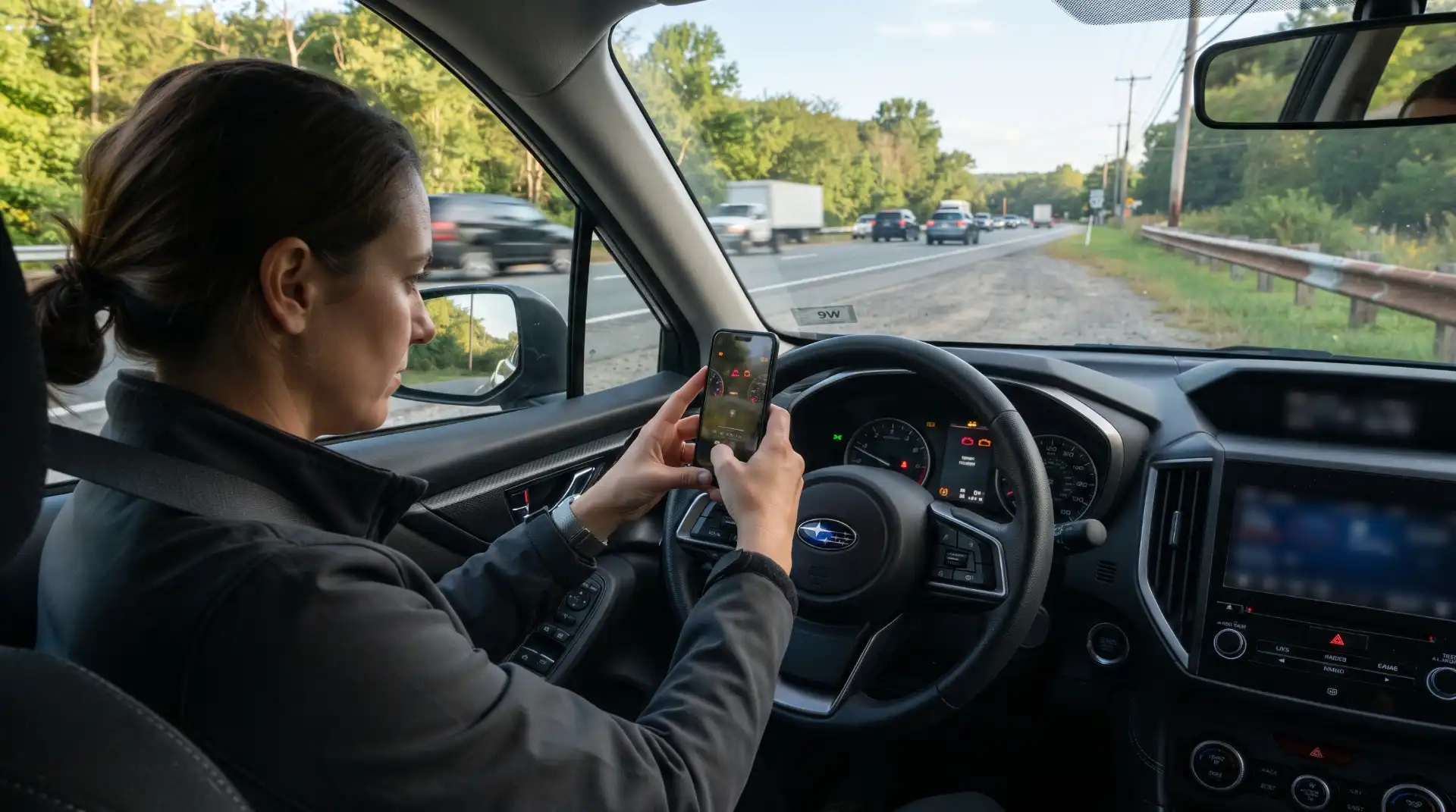
Photos of the dashboard may also be relevant if they show system warnings or error messages.
The vehicle owner’s manual can help investigators understand the intended operation of the technology.
A crash reconstruction expert may also examine the roadway, vehicle positions, skid marks, damage patterns, and available electronic information.
The goal is to determine what the vehicle and driver were doing immediately before the collision.
This type of evidence can be particularly important when the driver claims that a safety system should have warned them or intervened.
Why Preserving the Vehicle Can Matter
When advanced technology may have played a role in a crash, preserving the vehicle can be important.
Repairing or modifying a vehicle may change the condition of components that could later be examined.
The same concern can apply to electronic information.
If a serious crash may involve a technology malfunction, investigators may want to determine the condition of sensors, cameras, control modules, software, and other components before evidence is altered.
The preservation process will depend on the circumstances of the case, but the general principle is important: evidence can become more difficult to evaluate after a vehicle has been repaired, sold, salvaged, or modified.
Can Driver Assistance Reduce the Severity of a Head-On Crash?
Crash prevention is the primary goal, but reducing impact speed can also be important.
If a system detects a hazard and applies the brakes before impact, even a partial reduction in speed may change the circumstances of the collision.
NHTSA explains that automatic braking technologies can be designed to avoid crashes or mitigate their severity when the driver does not respond or does not brake sufficiently.
However, this does not mean every AEB system will reduce the severity of every head-on collision.
The result depends on the system, speed, available distance, sensor detection, roadway conditions, and the nature of the hazard.
A driver should therefore never intentionally rely on automatic braking to handle an approaching vehicle.
The Importance of Understanding Your Vehicle’s Technology
Drivers should know exactly what safety features their vehicles have.
Two vehicles may both advertise “lane assistance” while having different capabilities.
One system may simply provide a warning. Another may provide corrective steering. Another may combine lane centering with adaptive cruise control.
Similarly, collision-warning systems can differ in what they detect and what happens after a warning is issued.
Before relying on a system, drivers should read the owner’s manual and understand its operating conditions.
NHTSA specifically recommends that vehicle owners review their owner’s manuals to understand how their vehicle’s technology and safety features work.
Understanding the technology can help drivers avoid both underusing useful safety features and overestimating what those features can accomplish.
What Should Consumers Look for When Buying a Vehicle?
Consumers who want modern crash-avoidance technology should look beyond marketing language.
Important features to research can include lane departure warning, lane keeping assistance, forward collision warning, automatic emergency braking, driver monitoring, blind-spot intervention, and other systems appropriate to the type of driving they regularly do.
NHTSA identifies several driver-assistance technologies as recommended safety technologies and provides consumer information explaining how they work.
The type of roadway a person regularly drives should also influence the research process.
A driver who spends significant time on rural two-lane roads may place particular importance on lane-departure and lane-keeping technology.
A driver who primarily travels on urban streets may have different safety priorities.
The goal should not be to assume that one feature eliminates all crash risks. Instead, consumers can look for multiple layers of protection.
Why Driver Assistance Should Be Combined With Defensive Driving
Technology works best when it complements good driving habits.
Drivers should continue maintaining their lane, scanning for oncoming vehicles, adjusting speed for road and weather conditions, avoiding distractions, and never driving while impaired or dangerously fatigued.
A driver who uses lane-keeping assistance should still watch the lane.
A driver who has automatic emergency braking should still maintain an appropriate following distance.
A driver with forward collision warning should still monitor traffic ahead.
These systems are designed to provide additional support when something goes wrong.
They are not designed to remove the need for responsible driving.
What Should You Do After a Head-On Collision Involving ADAS?
If a head-on crash occurs while driver-assistance technology was active, immediate safety and medical treatment should come first.
Once emergency concerns have been addressed, it can be useful to preserve information about the crash and the vehicle.
Photographs may document lane markings, roadway conditions, vehicle positions, damage, signs, and visible warnings.
Dashcam footage can be especially valuable if it captured the moments before the crash.
Witness information should also be preserved when possible.
If there is a dispute about how the collision occurred, vehicle data and crash reconstruction may become important.
For readers who are researching the legal side of a serious collision, How to Prove Liability in a Head-On Car Accident Case explains the types of evidence that can help establish how a head-on collision occurred.
The exact legal rules governing liability and evidence vary by state, so serious injury cases may require advice based on the specific jurisdiction and facts.
What Evidence May Be Important in a Technology-Related Crash?
A head-on collision involving ADAS may require more than a traditional accident investigation.
Police reports, photographs, witness statements, traffic-camera footage, dashcam recordings, vehicle damage, and roadway evidence can help establish the physical sequence of events.
Electronic information may provide another layer.
Depending on the vehicle, investigators may examine event data, diagnostic information, system alerts, or other available records.
The question is not simply whether the vehicle had driver assistance.
The more important questions may include whether the system was active, whether it detected the hazard, whether it provided a warning, whether it attempted to intervene, whether the driver responded, and whether the system was operating under conditions for which it was designed.
Those questions can require specialized technical analysis.
Can Driver-Assistance Technology Completely Prevent Head-On Collisions?
No technology currently available to ordinary drivers should be treated as a guarantee against head-on collisions.
Driver-assistance systems can potentially prevent or mitigate certain crashes, but their performance depends on specific circumstances.
A vehicle may drift across a centerline and receive corrective assistance. A driver may receive a warning before a dangerous lane departure becomes a collision. An automatic braking system may reduce speed before a forward impact.
But a sudden wrong-way driver, severe weather, poor lane markings, unusual roadway conditions, sensor limitations, or a rapidly developing emergency can exceed the system’s capabilities.
NHTSA’s current guidance is clear that even advanced driver-assistance systems require the driver to remain engaged and attentive.
That means technology should be viewed as an additional safety layer rather than a replacement for the person behind the wheel.
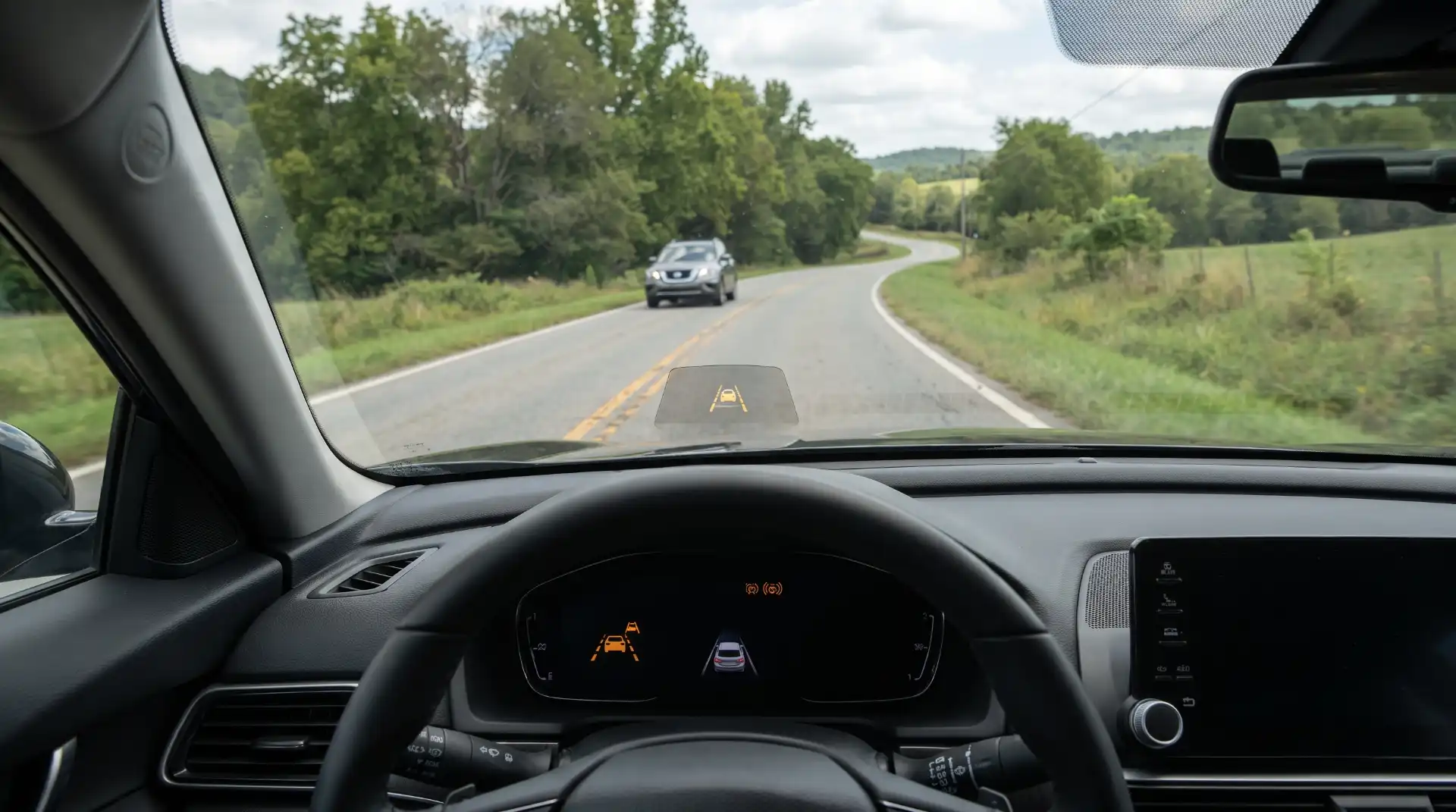
The Future of Head-On Collision Prevention
Vehicle safety technology continues to develop.
Cameras and sensors are becoming more capable, software is becoming more sophisticated, and manufacturers continue developing systems that can identify hazards and assist with steering or braking.
NHTSA describes the continued development of driver-assistance and automated driving technologies as part of the broader effort to improve roadway safety.
Future systems may become better at identifying vehicles traveling in unexpected directions, recognizing roadway boundaries, predicting potential conflicts, and assisting drivers during emergency situations.
However, technology alone will not eliminate head-on collisions.
Roadway design, traffic enforcement, driver education, vehicle maintenance, impaired-driving prevention, fatigue awareness, and responsible driver behavior will continue to matter.
The safest future is likely to involve these different layers working together.
Final Thoughts
Driver-assistance technology can play an important role in reducing the risk of certain head-on collisions.
Lane departure warning can alert a driver when a vehicle begins drifting from its lane. Lane keeping assistance can provide corrective steering in certain situations. Forward collision warning can alert drivers to specific forward collision risks, while automatic emergency braking can intervene in certain imminent forward crashes.
These technologies can provide an important extra layer of protection.
But they do not eliminate the need for an attentive driver.
A head-on collision can develop in seconds, and a vehicle’s sensors and software may not always recognize or respond to a particular danger. Weather, poor lane markings, construction, nighttime visibility, unusual roadway conditions, and sudden actions by another driver can all create challenges.
Driver-assistance systems should therefore be used as intended: as assistance.
The most important safety feature remains an alert driver who is paying attention to the roadway and prepared to steer, brake, or take evasive action when necessary.
For Americans considering a newer vehicle, understanding the actual capabilities of ADAS can help them make informed safety decisions. For drivers already using these systems, learning their limitations can help prevent dangerous overconfidence.
The answer to whether driver-assistance technology can prevent head-on collisions is therefore nuanced. It can help prevent or mitigate some crashes, particularly those involving unintended lane departures, but it cannot guarantee that a head-on collision will be avoided.
Technology can provide another opportunity to recognize danger and respond. Ultimately, however, safe driving still depends on the driver remaining engaged, understanding the vehicle’s capabilities, and responding appropriately to changing roadway conditions.
External authority: For current information about driver-assistance technologies, system functions, and their limitations, readers can consult the National Highway Traffic Safety Administration’s Driver Assistance Technologies resource.